Plan your visit to Durham Cathedral with North East Escapes. Explore the UNESCO World Heritage Norman masterpiece and find holiday homes nearby. |

Visit Durham Cathedral, A UNESCO World Heritage Norman Masterpiece
Durham Cathedral is one of the finest examples of Norman architecture anywhere in the world, and one of only a handful of buildings in England to hold UNESCO World Heritage Site status. Rising dramatically above a loop of the River Wear on a high sandstone peninsula, the cathedral dominates the Durham skyline in a way that has astonished travellers for nearly a thousand years. It is consistently voted the greatest building in Britain, and once you stand beneath its vast ribbed vaulting or gaze up at the great rose window, it is easy to understand why.
Construction of Durham Cathedral began in 1093 on the orders of Bishop William of St Calais, replacing an earlier Saxon church on the same site. The building was substantially complete by 1133, making it one of the most rapidly built major cathedrals in Europe. Its architectural significance lies partly in its pioneering use of pointed ribbed vaulting, an innovation that influenced the entire development of Gothic architecture across the continent. The cathedral was built to house the remains of Saint Cuthbert, the beloved seventh-century monk and bishop of Lindisfarne whose cult attracted pilgrims from across Christendom throughout the medieval period. The Venerable Bede, the great scholar and historian of early medieval England, is also buried here, his remains brought to Durham in the eleventh century.
The cathedral interior rewards extended exploration. The nave is extraordinarily powerful, with its massive decorated drum piers carrying some of the earliest ribbed vaulting in existence. The Galilee Chapel at the west end, built around 1170, contains the tomb of the Venerable Bede and is one of the most atmospheric spaces in any English cathedral. The Chapel of the Nine Altars at the east end provides a soaring counterpoint to the Romanesque nave, built in the thirteenth century in Early English Gothic style. The Cathedral Treasury houses the pectoral cross and portable altar of Saint Cuthbert, among the most important early medieval artefacts in Britain. Visitors can also climb the central tower for panoramic views across the city, the River Wear and the surrounding County Durham landscape. The Open Treasure exhibition in the monks' dormitory and undercroft tells the full story of the cathedral's history and collections.
Durham Cathedral is located at The College, Durham, DH1 3EH, in the heart of the city and easily reached on foot from Durham railway station, which is around ten minutes' walk across the Elvet Bridge. Entrance to the cathedral itself is free, though donations are warmly encouraged and a charge applies for the tower climb and Open Treasure exhibition. The cathedral is open daily throughout the year, though hours vary on Sundays and during services, so checking the website before visiting is advisable. Durham city centre is compact and walkable, with Durham Castle (also UNESCO-listed) standing immediately adjacent to the cathedral on Palace Green.
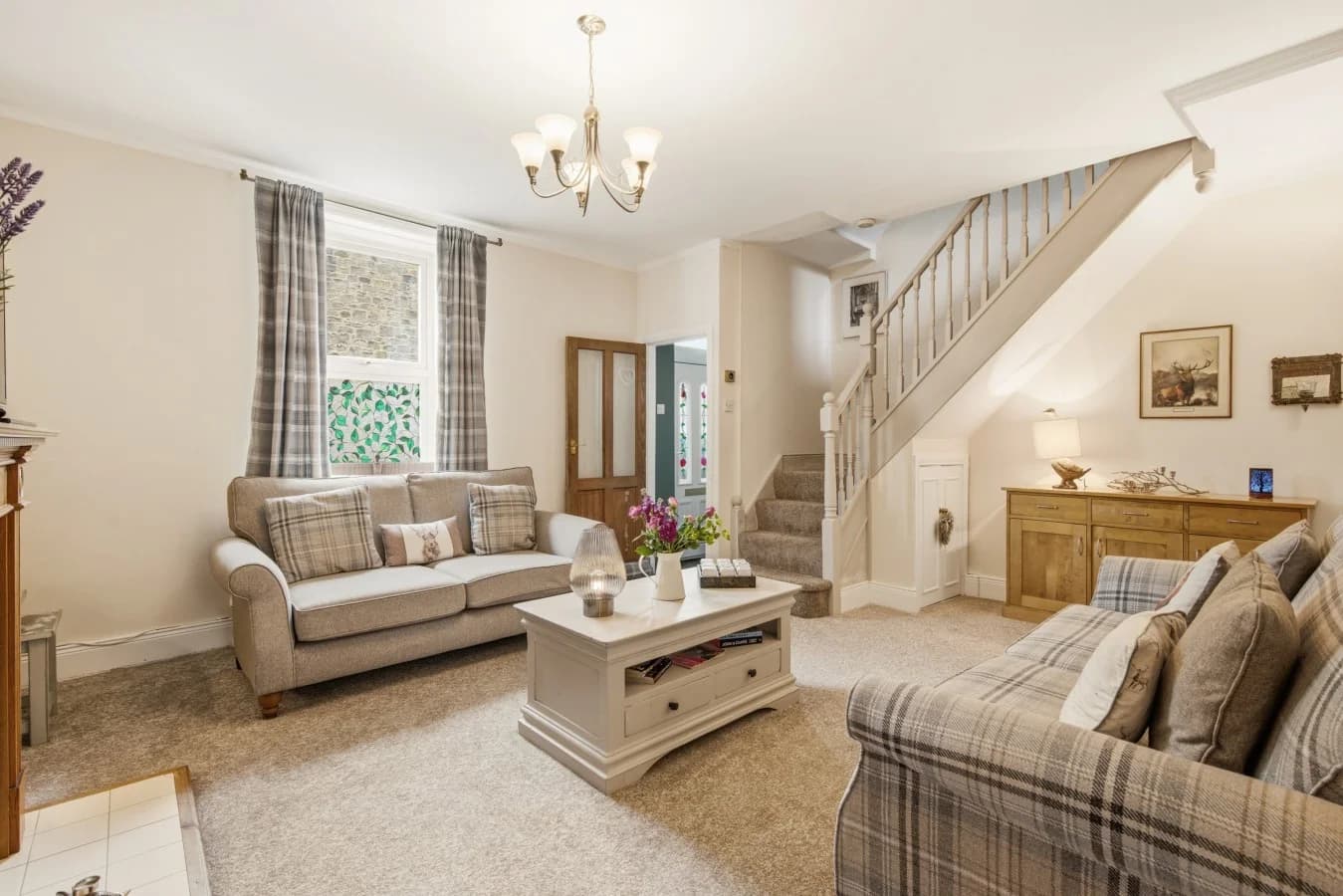
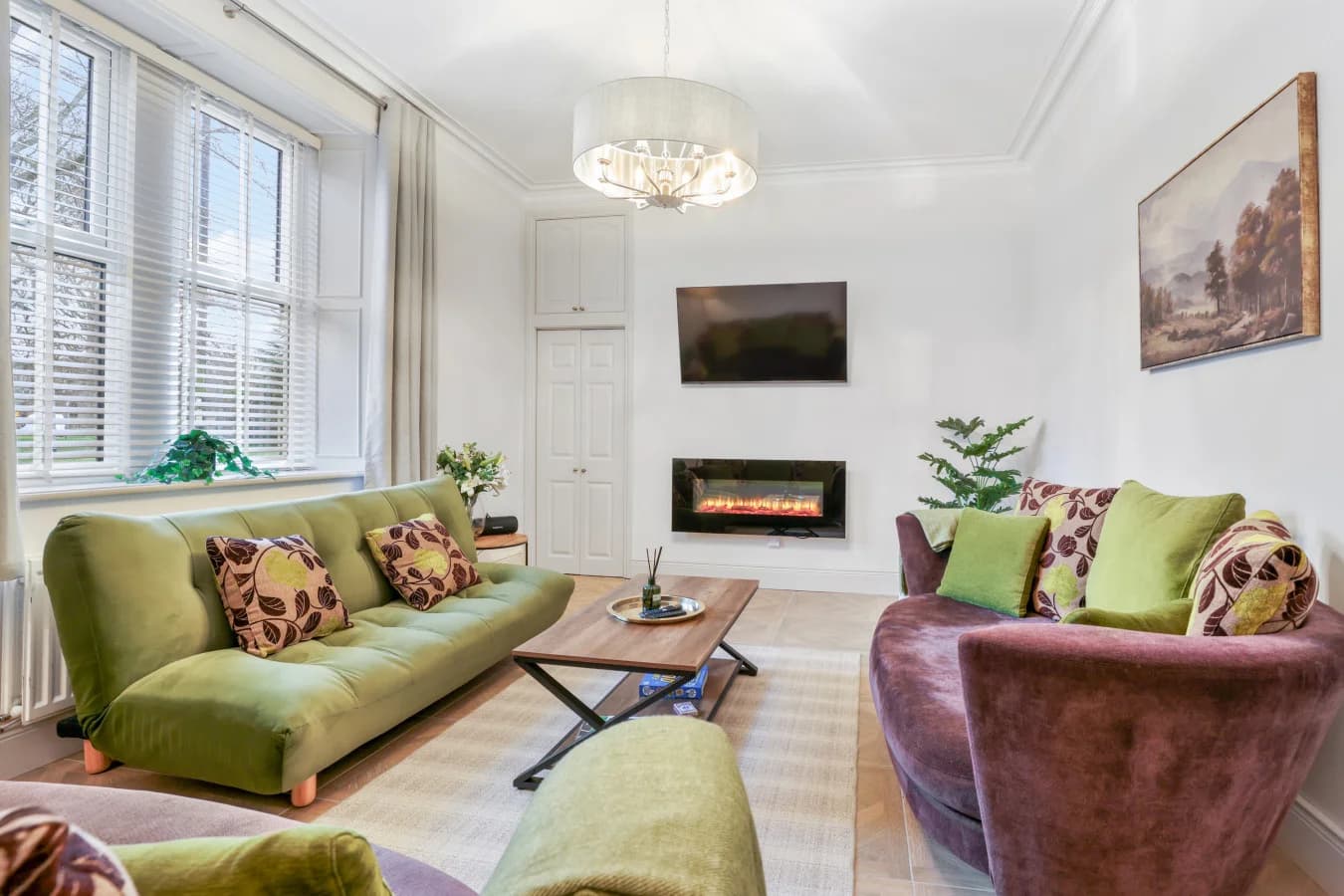
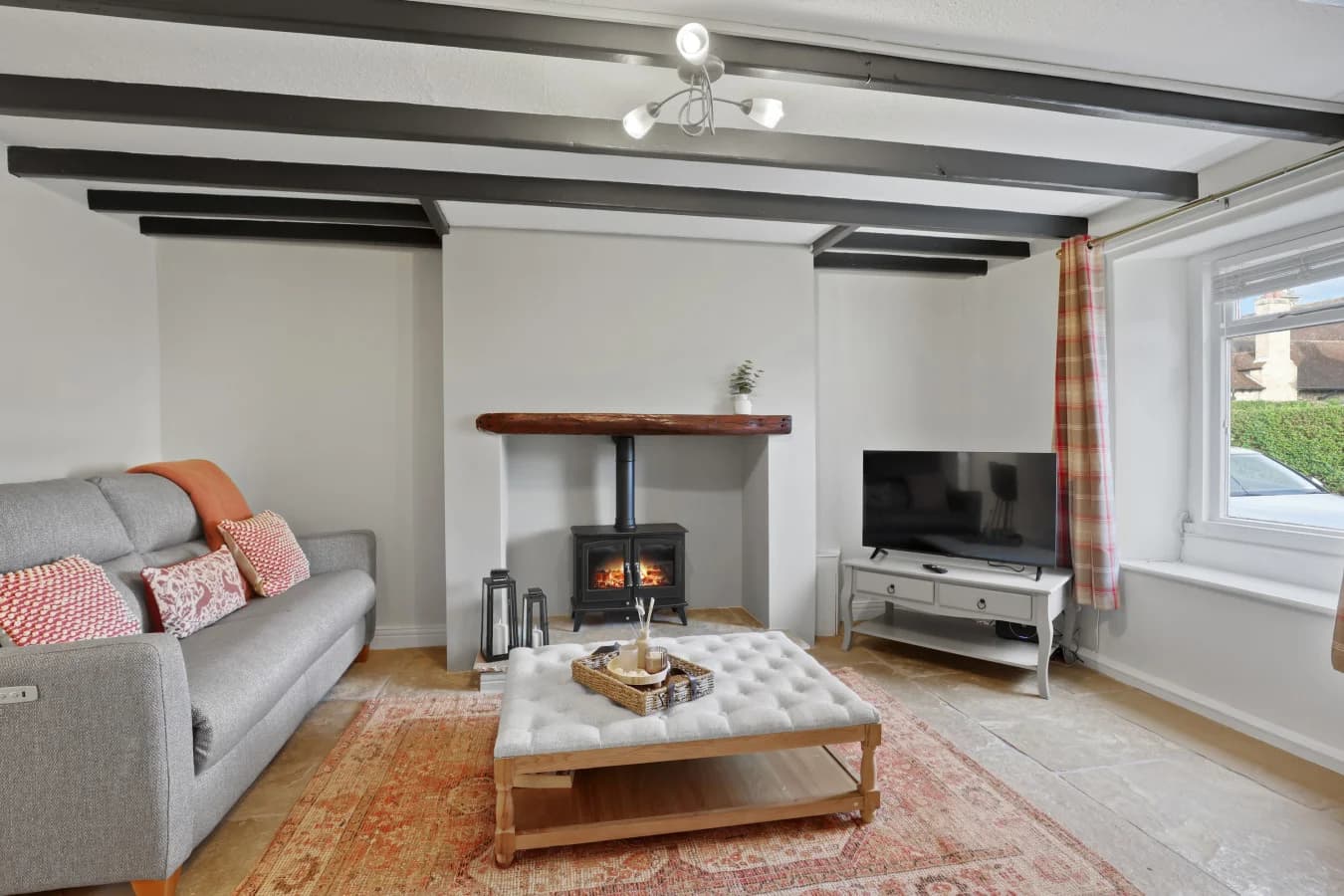
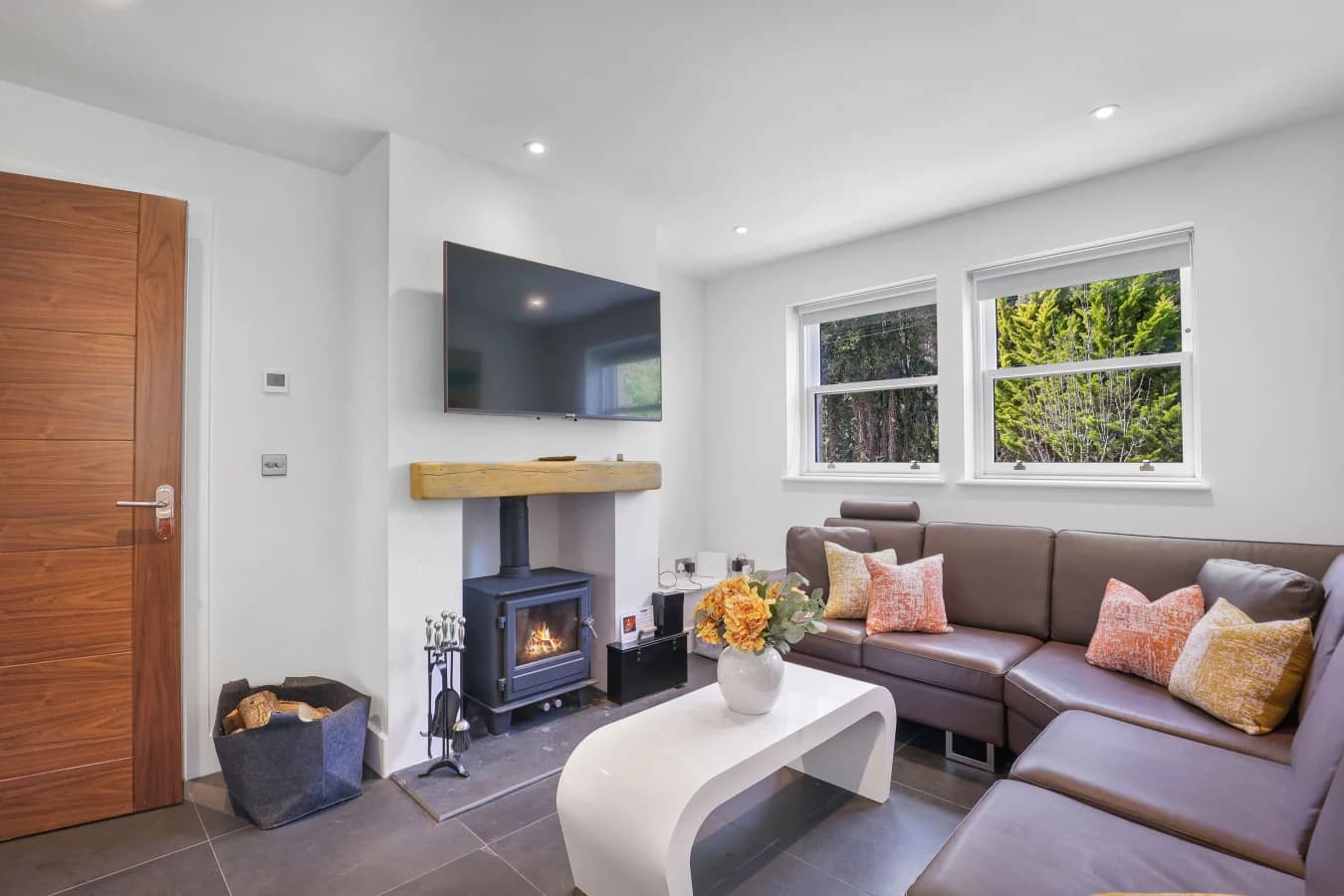
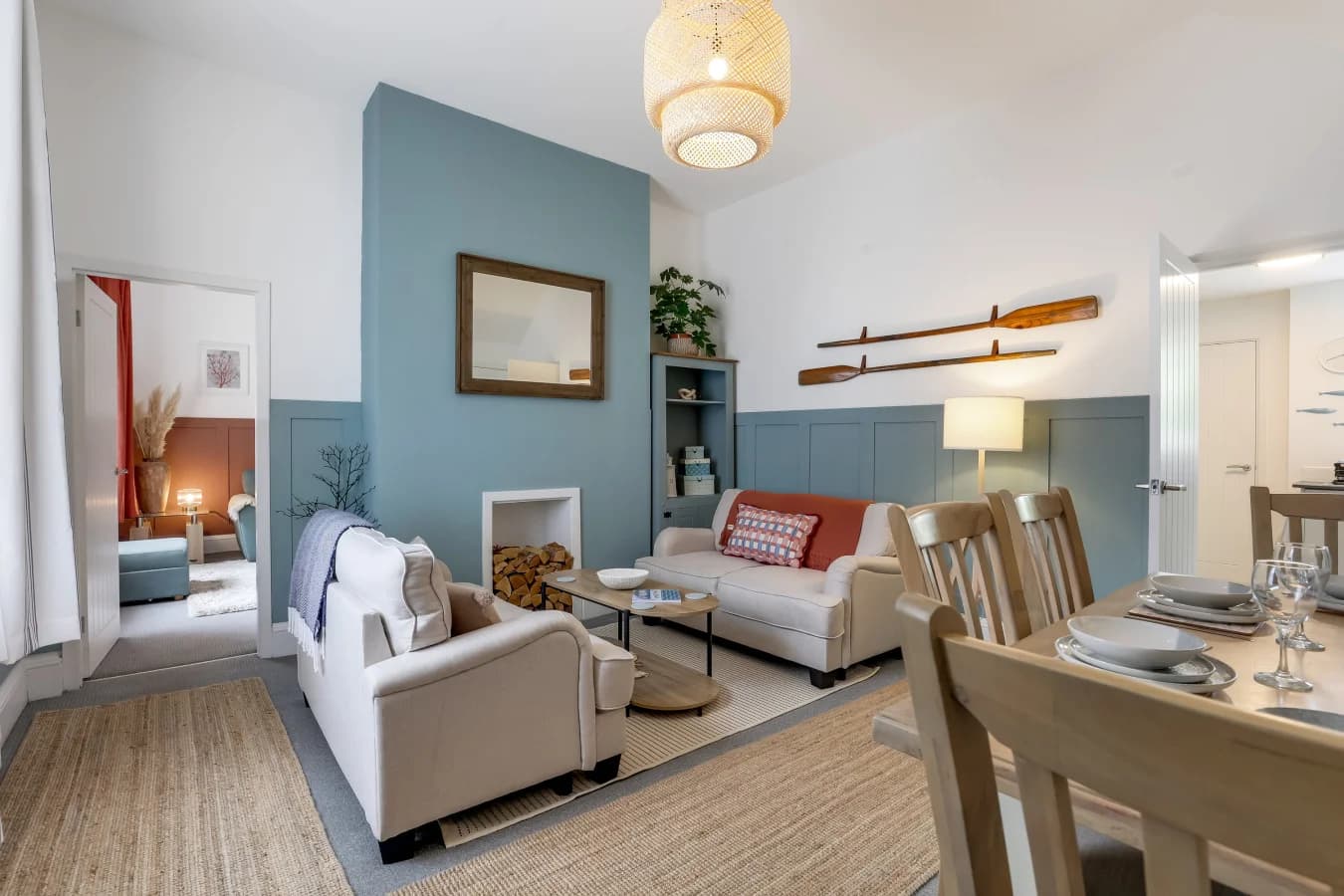
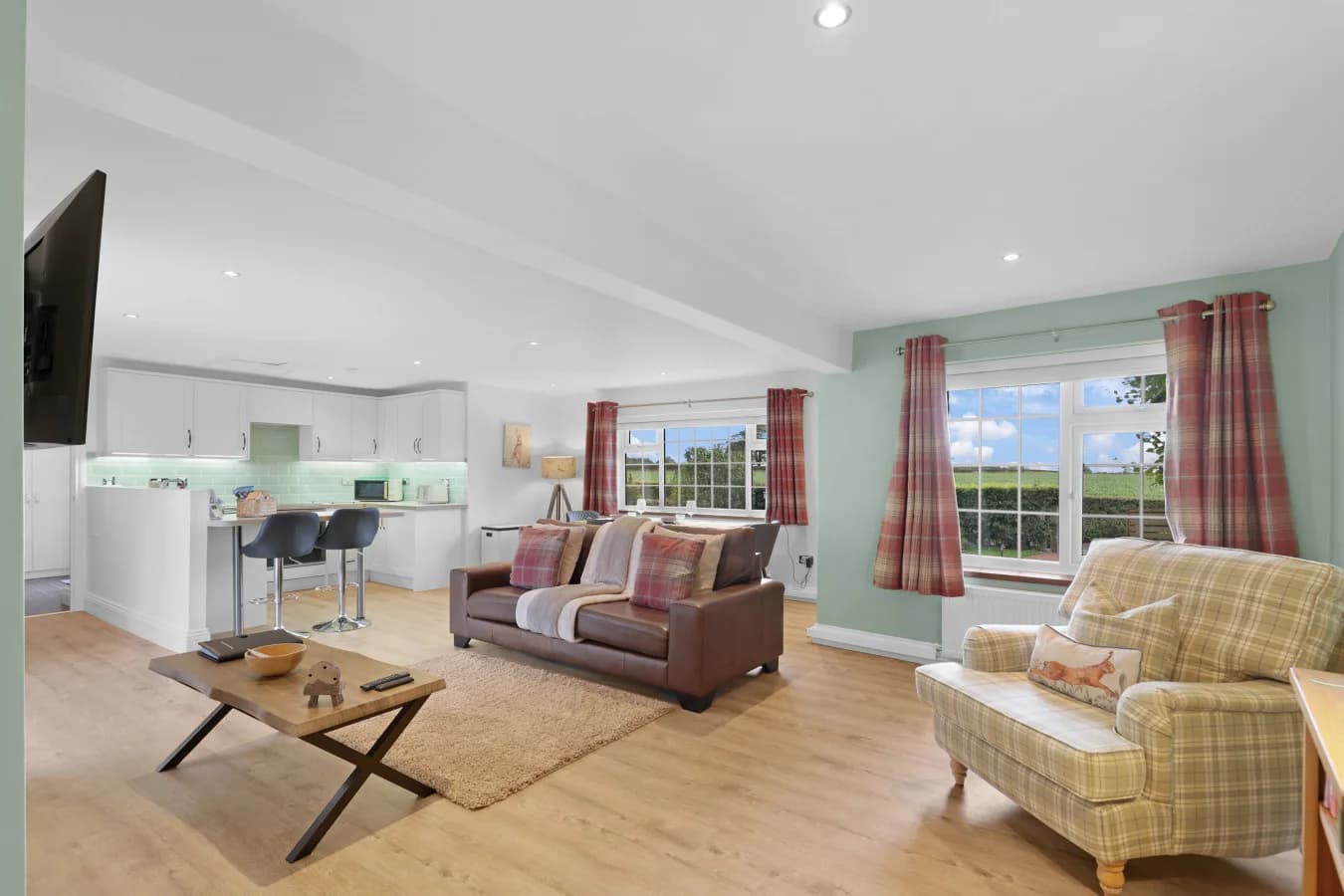
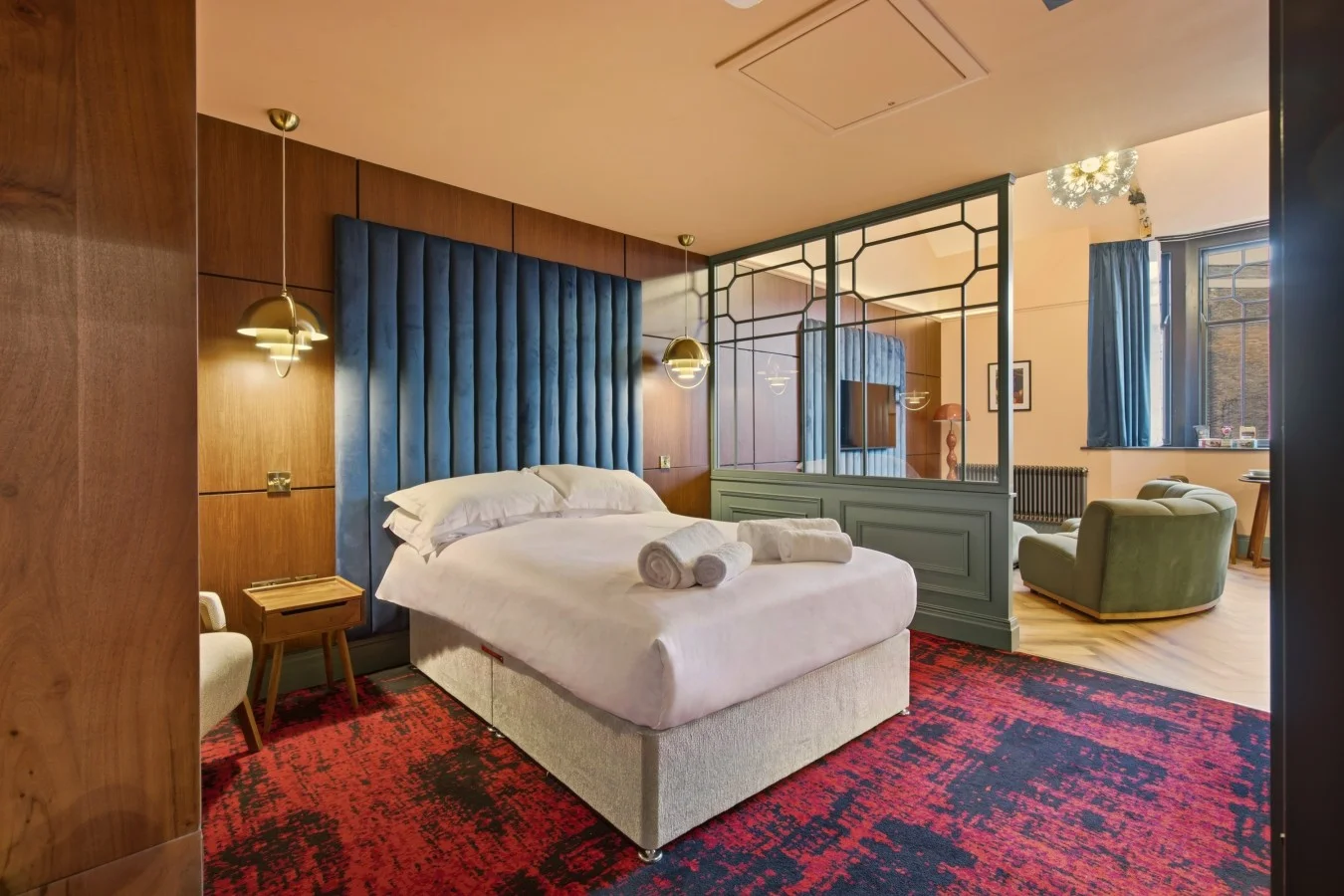
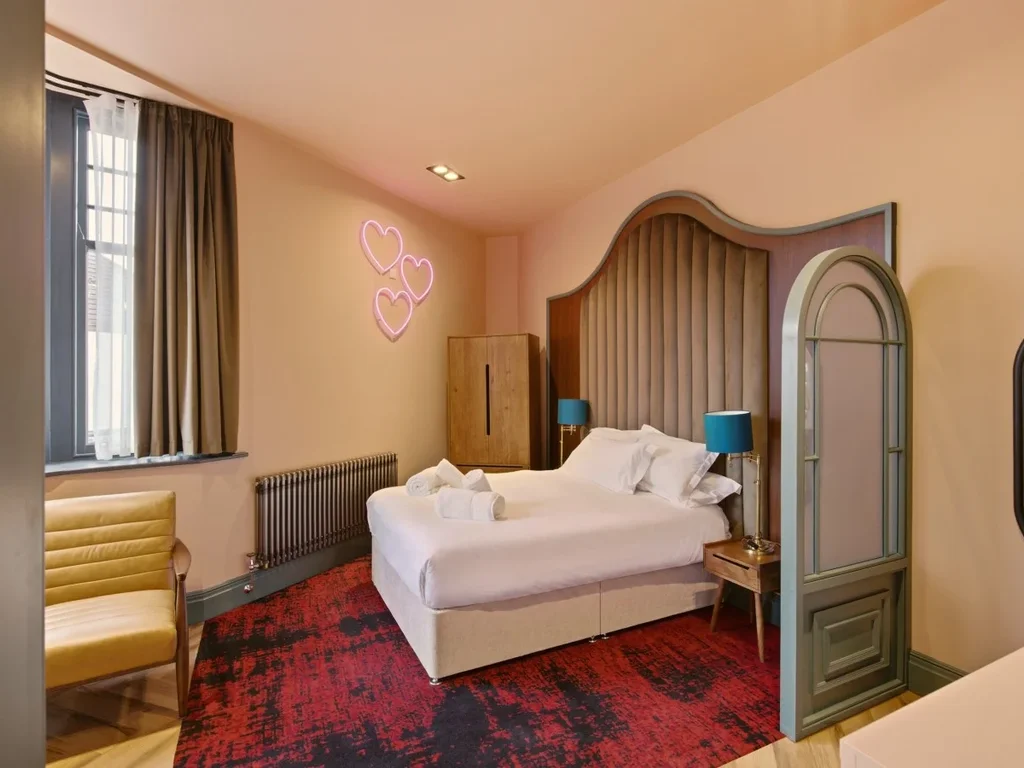
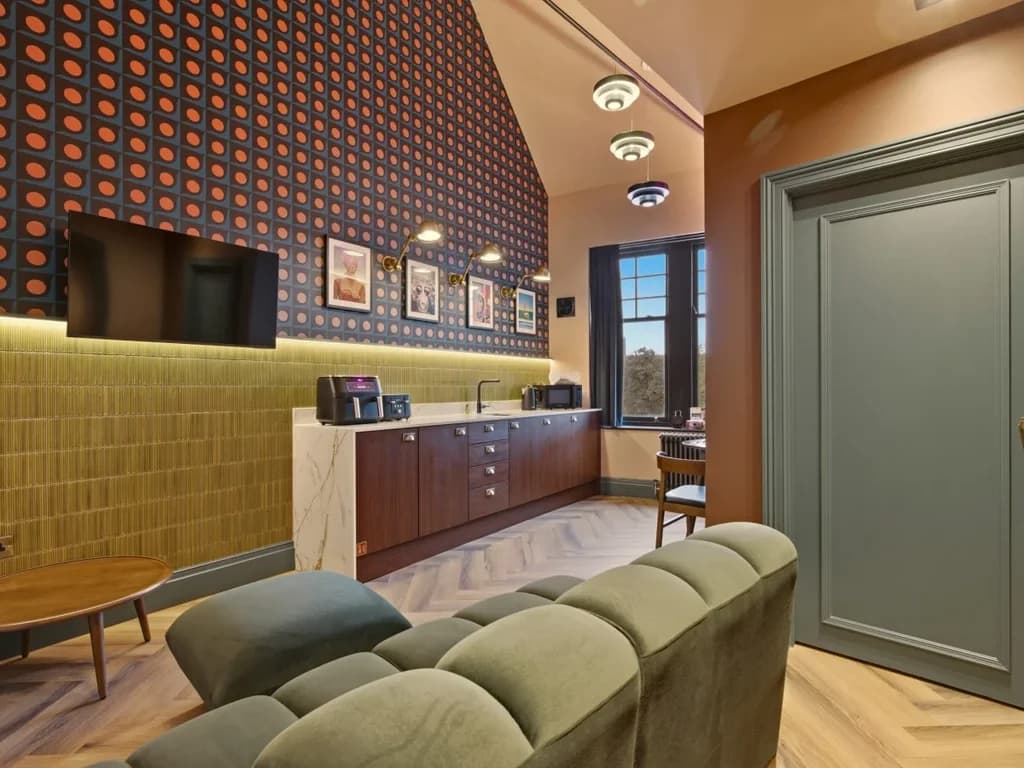
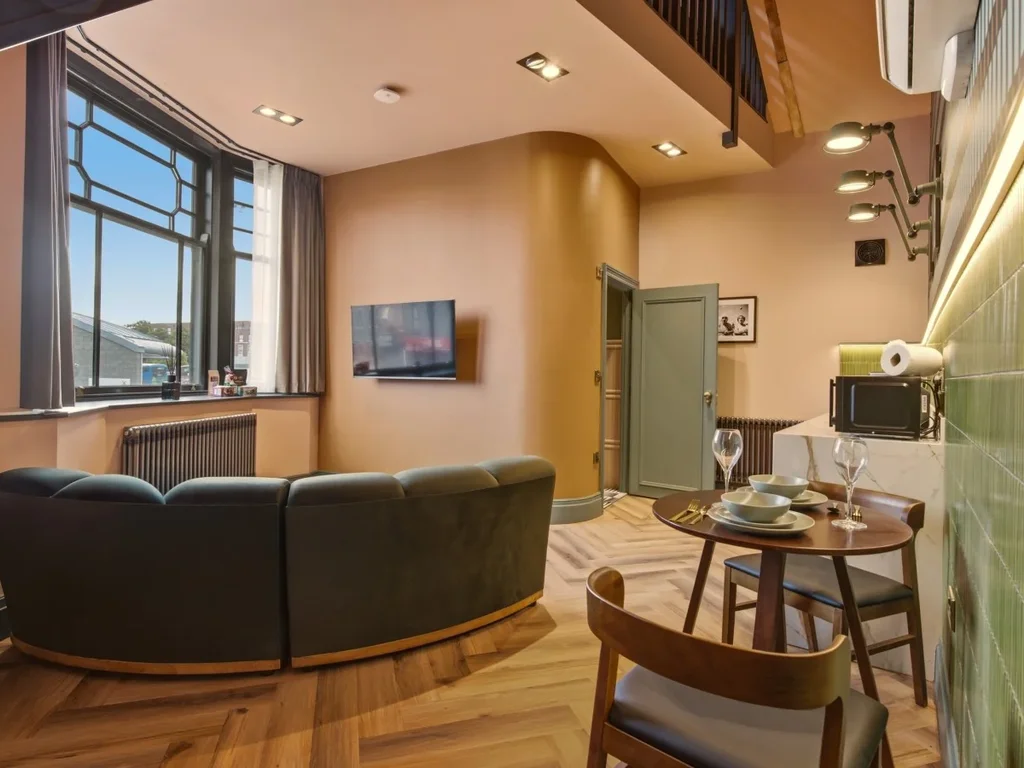
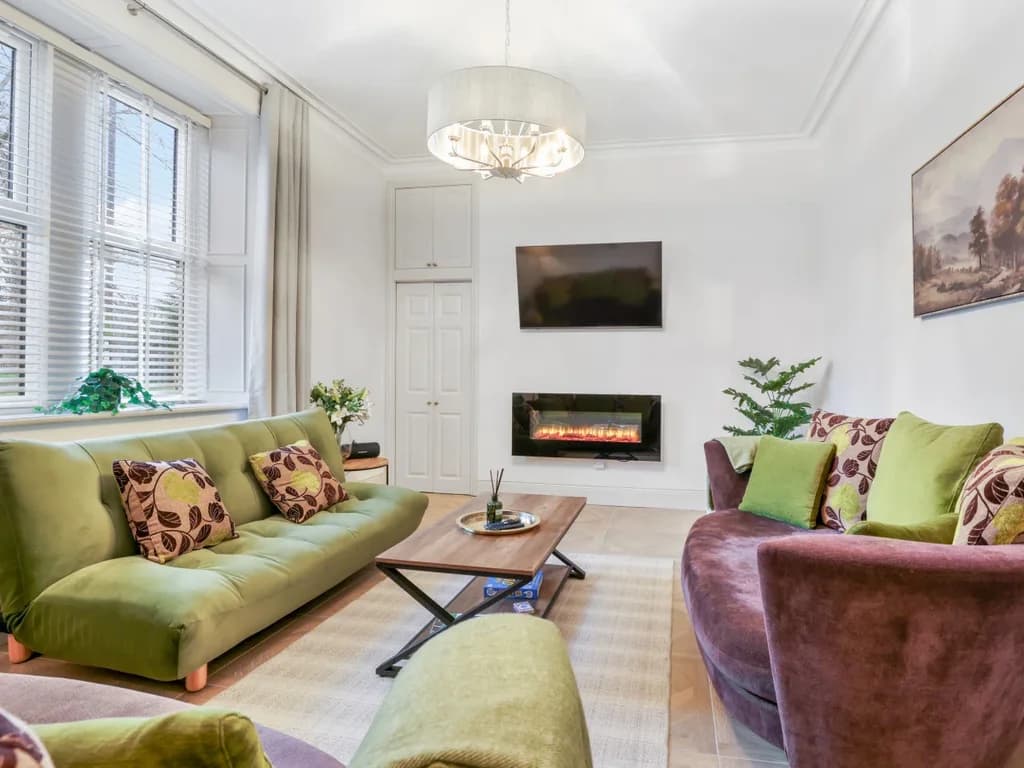
North East Escapes offers a handpicked selection of holiday homes near Durham Cathedral, perfect for visitors wanting to combine a stay in the county town with wider exploration of County Durham and the North East. Many of our properties put you within easy reach of the World Heritage Site, and the central location opens up outstanding day trips to Beamish Museum, Raby Castle, the Durham Dales, the Durham Heritage Coast at Seaham, and the broader network of Northumberland attractions to the north. Whether you are visiting for a weekend cathedral break or a longer family holiday, staying in one of our Durham holiday homes places you at the heart of one of England's most rewarding regions.