Plan your visit to Lindisfarne with North East Escapes. Explore the cradle of Anglo-Saxon Christianity and find holiday homes near the tidal island. |



Visit Lindisfarne, The Cradle of Christianity in Northern England
Lindisfarne, or Holy Island as it is also known, is one of the most sacred and historically significant places in the British Isles, a small tidal island off the Northumberland coast that was the cradle of Celtic Christianity in northern England and one of the great centres of early medieval culture in Europe. Accessible across a tidal causeway that floods twice daily, Lindisfarne retains a profound atmosphere of pilgrimage and remoteness that no other tourist destination in the North East can match. A visit here, whether for the ruins of the great Priory, the castle, the wildlife, the mead or simply the extraordinary quality of the light and the landscape, is an experience of enduring power.
Lindisfarne was chosen as the site of a monastery in 635 AD by Saint Aidan, an Irish monk from Iona who founded the community at the invitation of the Northumbrian king Oswald. Under Aidan and his successors, Lindisfarne became one of the most important religious centres in Christendom, producing the Lindisfarne Gospels around 715 AD, one of the greatest masterpieces of Insular art and one of the most beautiful books ever created. The original community was dispersed by Viking raids in the ninth century, but a new Benedictine priory was founded on the island around 1083 and it flourished through the medieval period until the Dissolution of the Monasteries under Henry VIII.
The Priory ruins managed by English Heritage are the island's principal attraction, the pink sandstone arches of the rainbow arch and the nave walls rising dramatically against the sky. The adjacent museum contains a superb collection of pre-Conquest carved stonework and explains the history of the original Aidan community. Lindisfarne Castle, the sixteenth-century fort restored by Edwin Lutyens and owned by the National Trust, occupies its magnificent rocky perch above the harbour. The island's village has a small number of pubs, shops and the famous Lindisfarne Mead distillery. The nature reserve surrounding the island is superb for birdwatching, particularly during the spring and autumn migration seasons when enormous numbers of waders and wildfowl gather on the mudflats.
Lindisfarne is located approximately five miles east of the A1 near Beal, Northumberland. The island is connected to the mainland by a tidal causeway that is passable only at low tide. Causeway crossing times are posted on the Northumberland County Council website and must be consulted before every visit. The island car park is on the landward side of the causeway. Note that the causeway floods quickly and should never be crossed without checking the safe crossing times. The nearest town is Berwick-upon-Tweed, approximately 10 miles north.
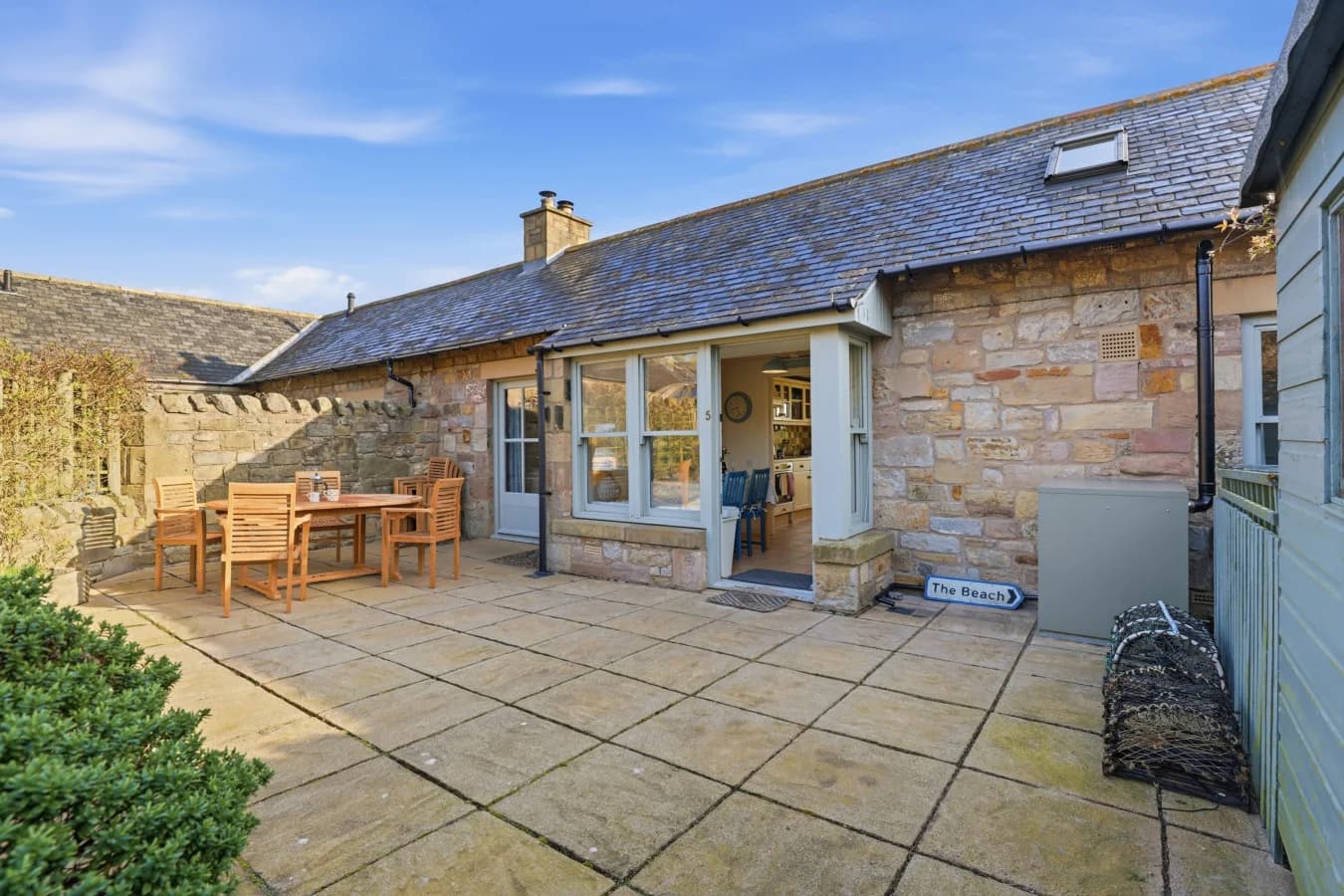
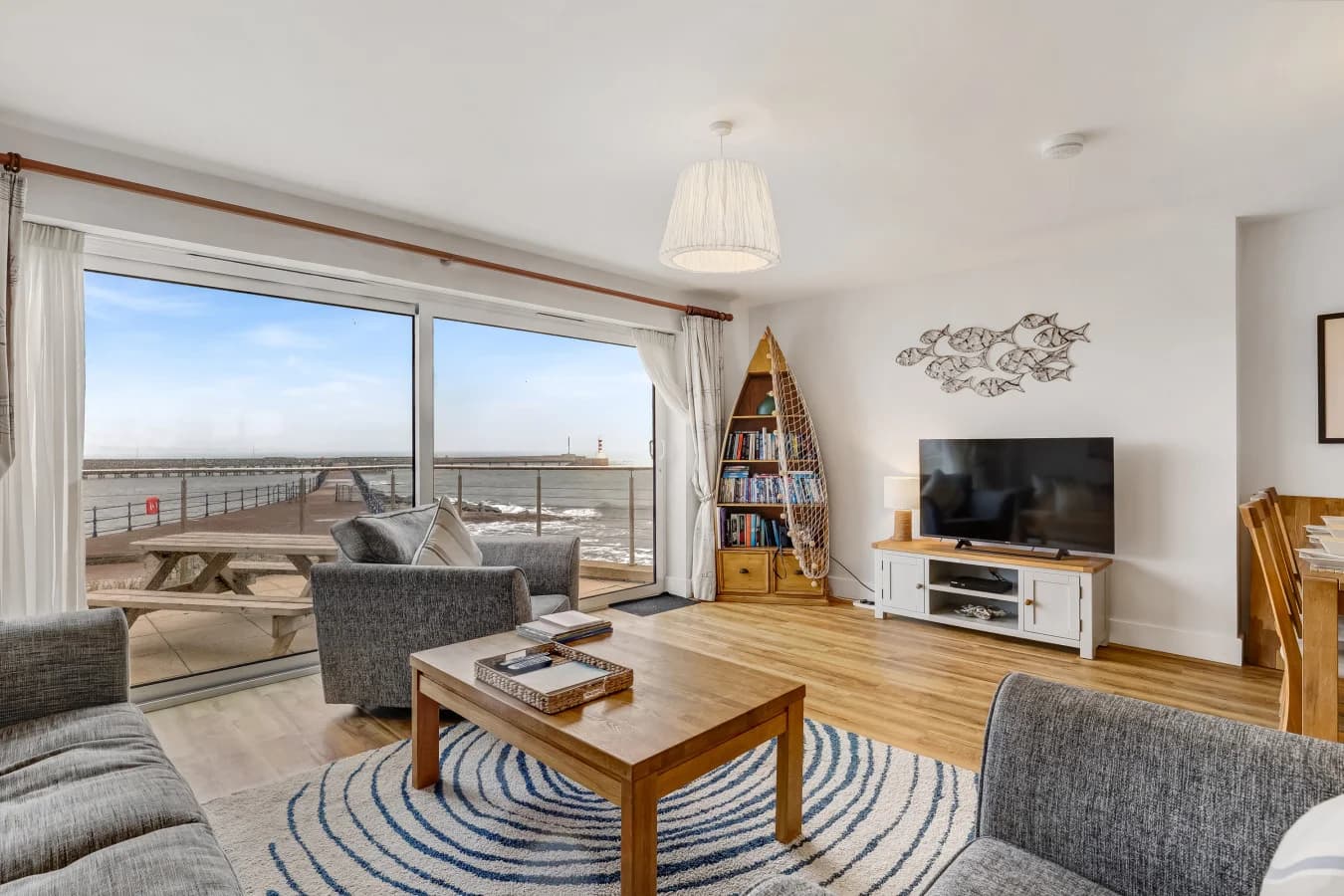
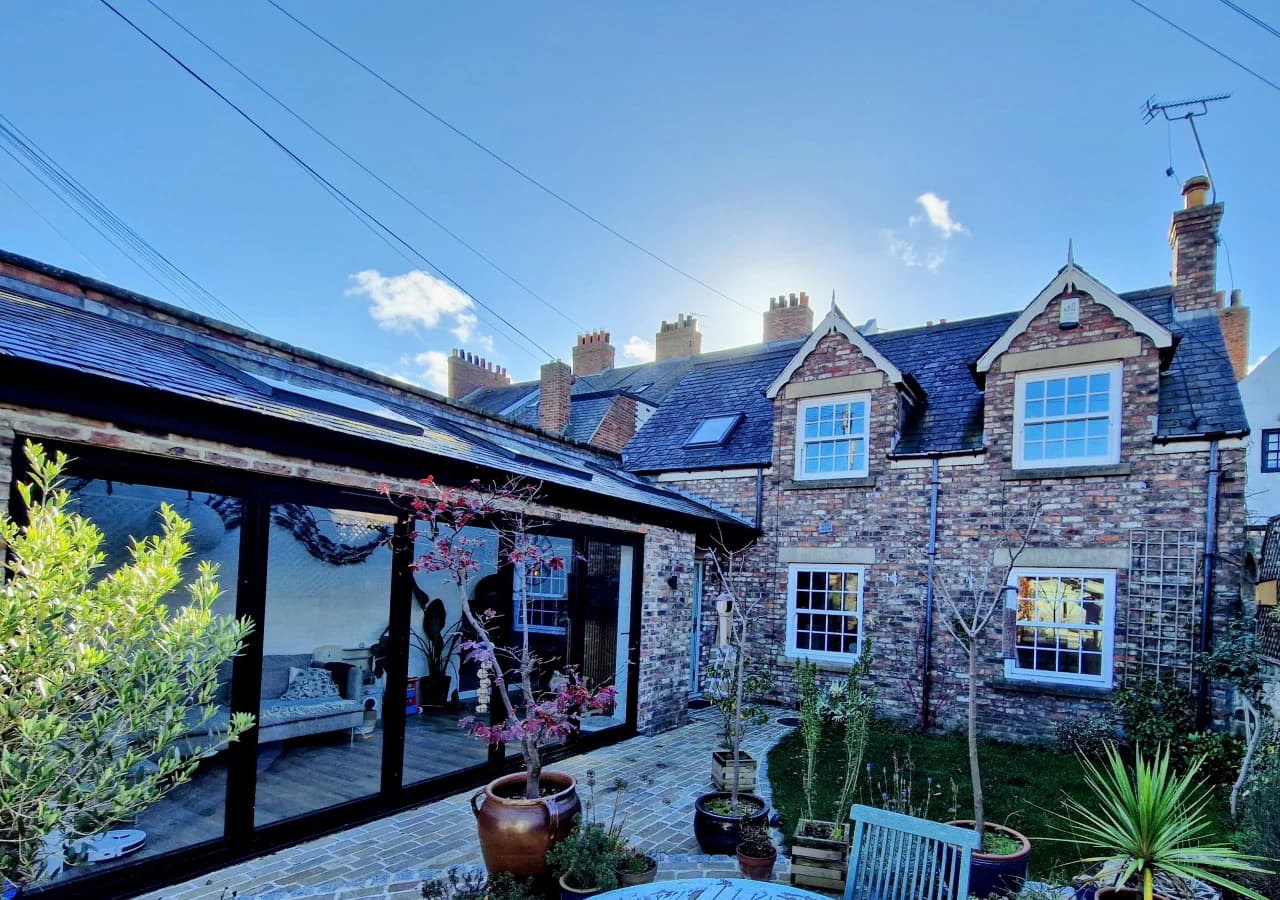
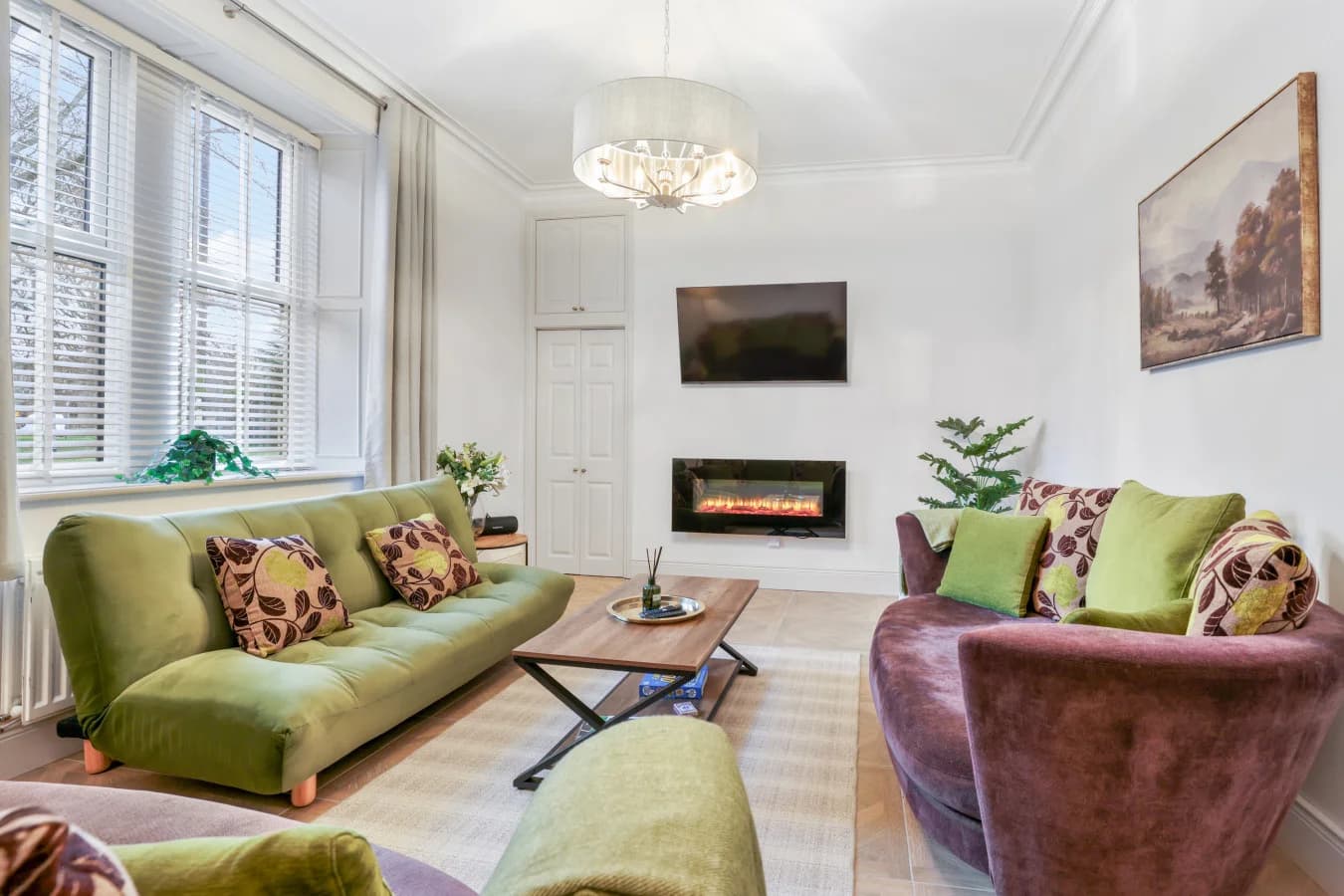
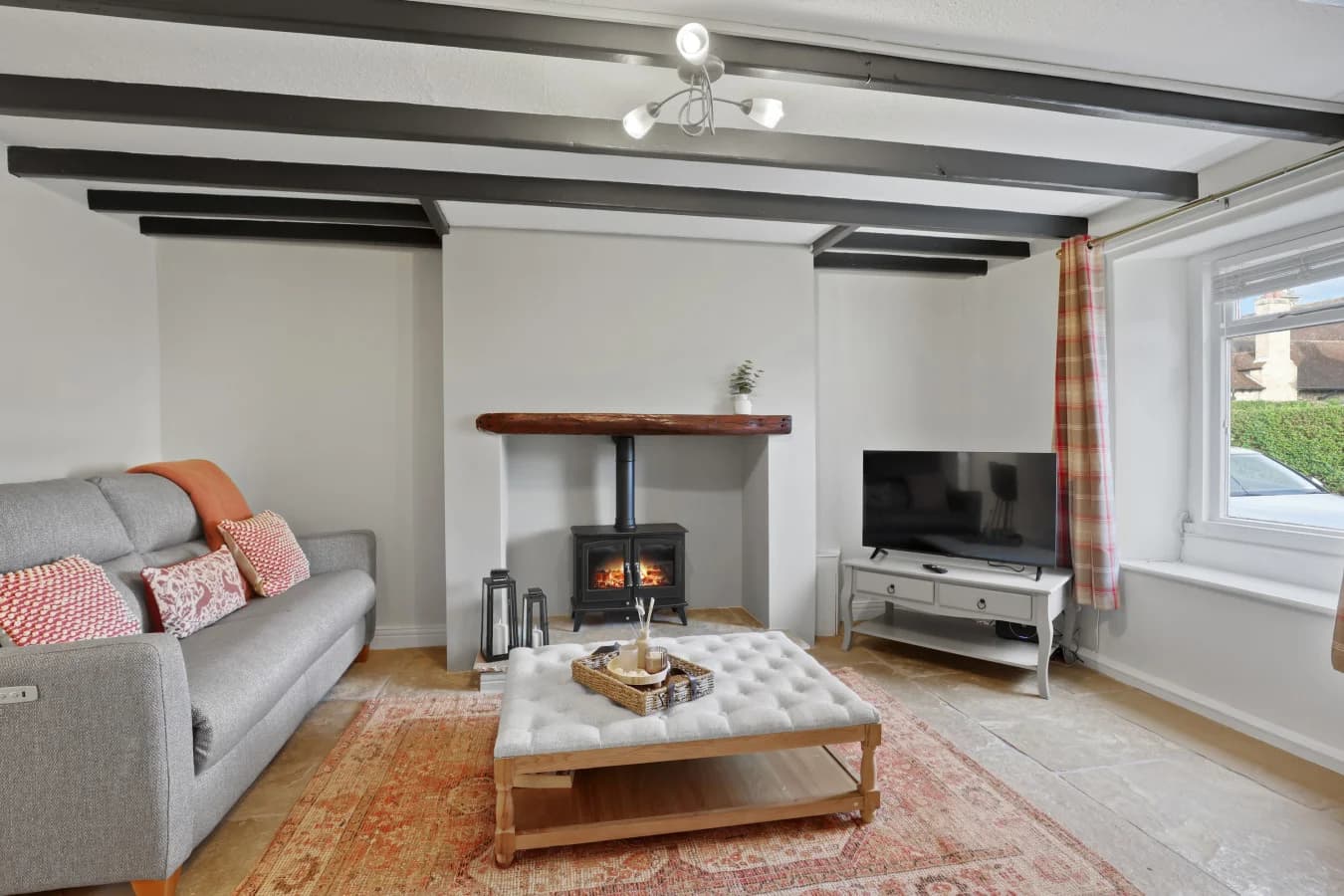
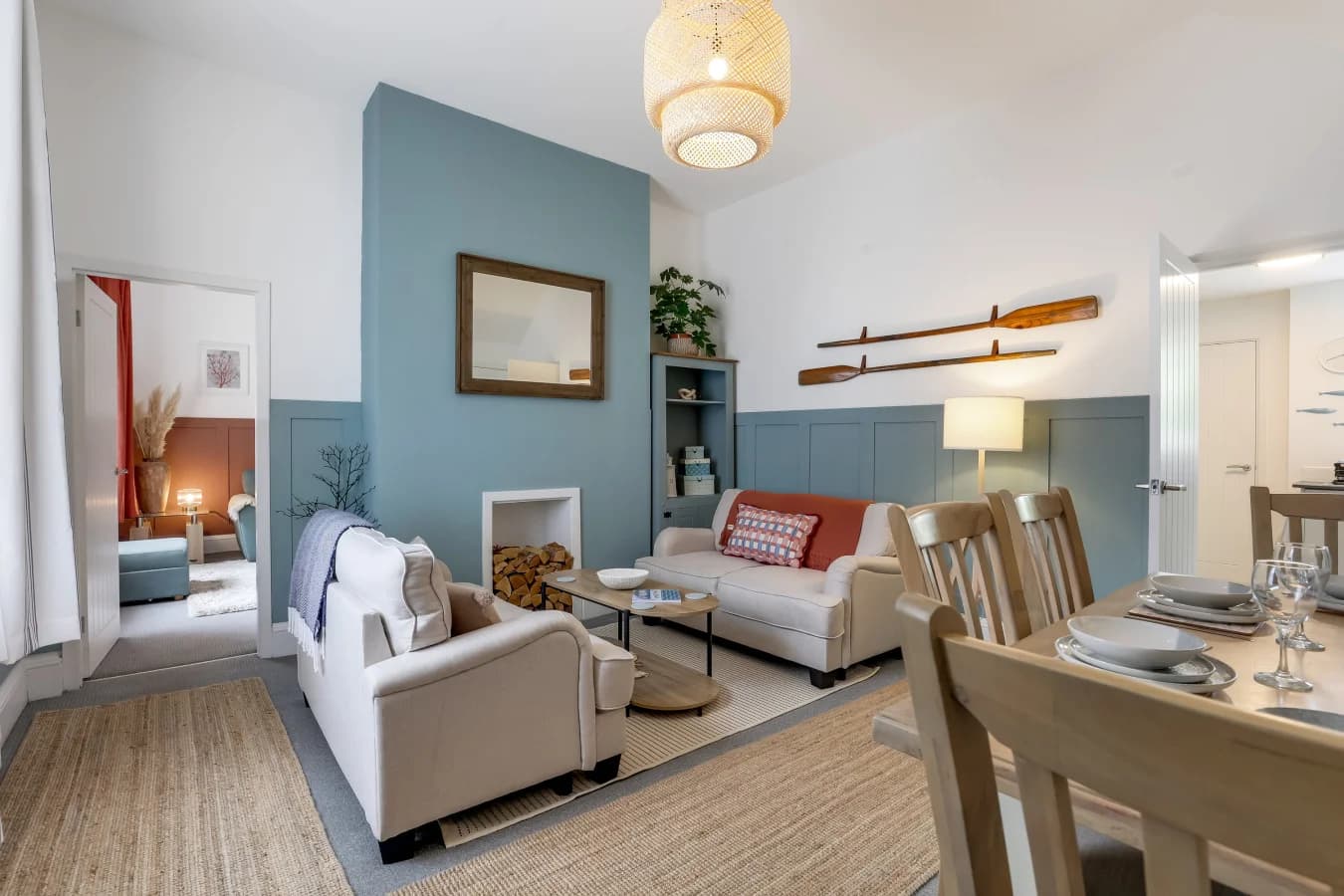
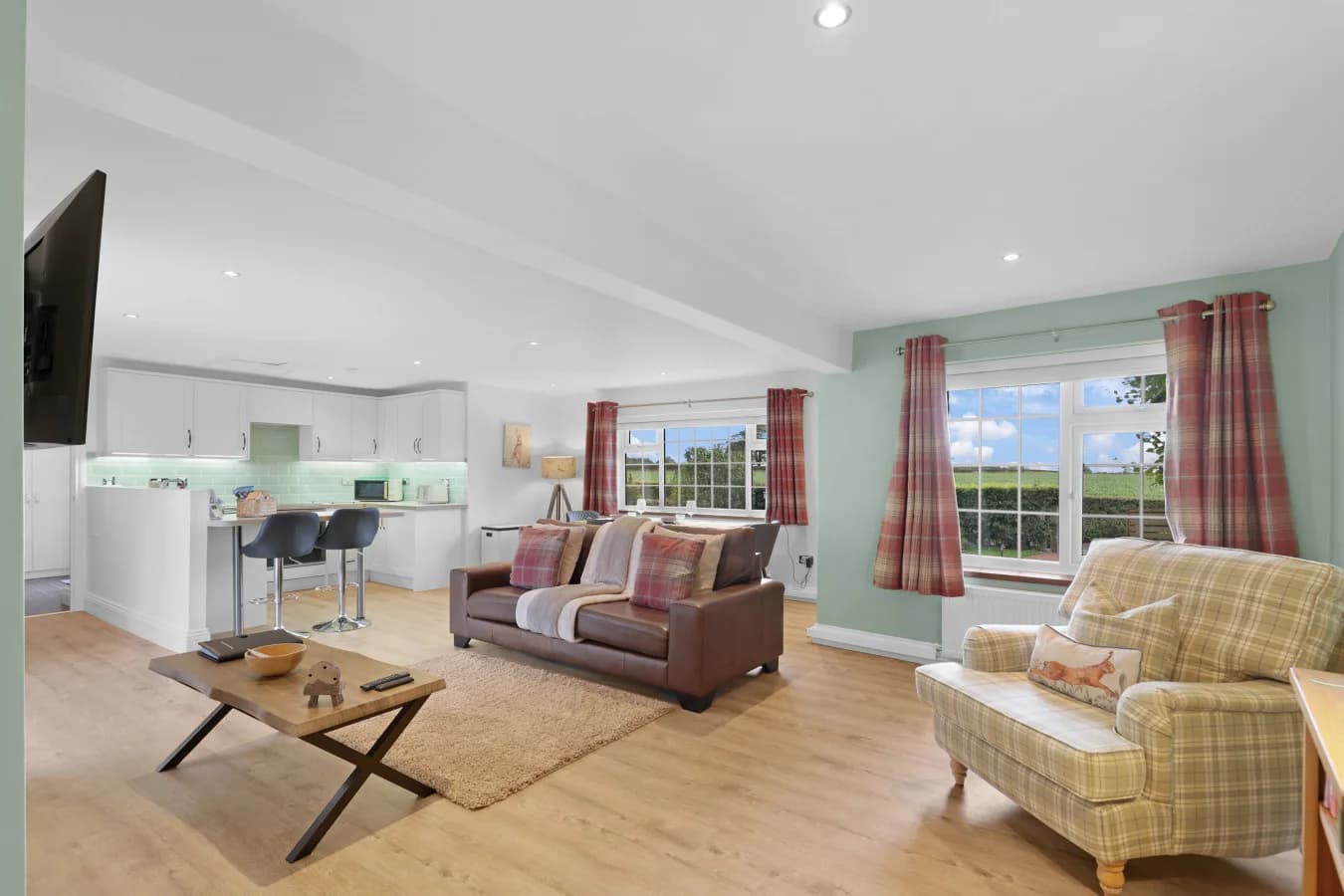
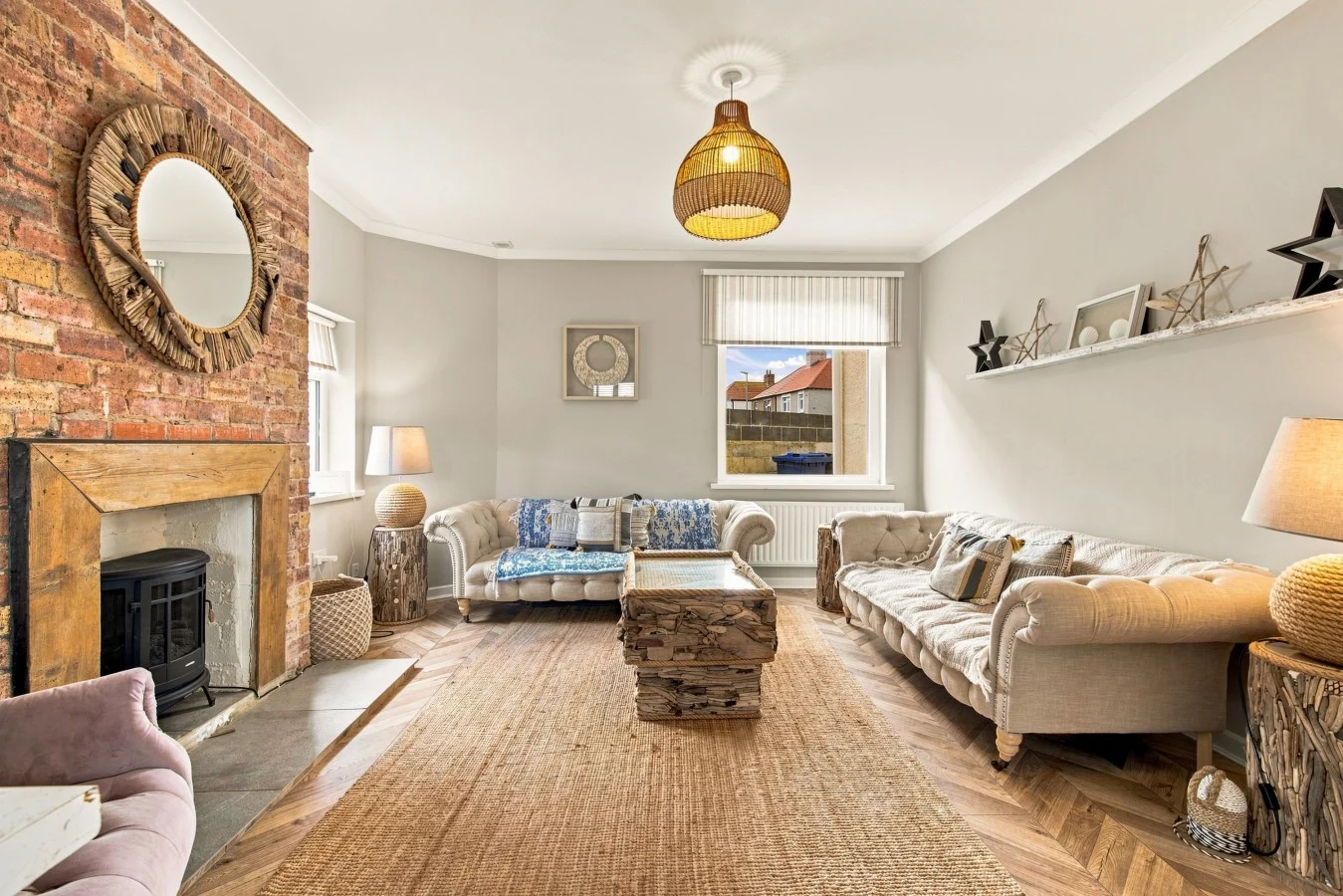
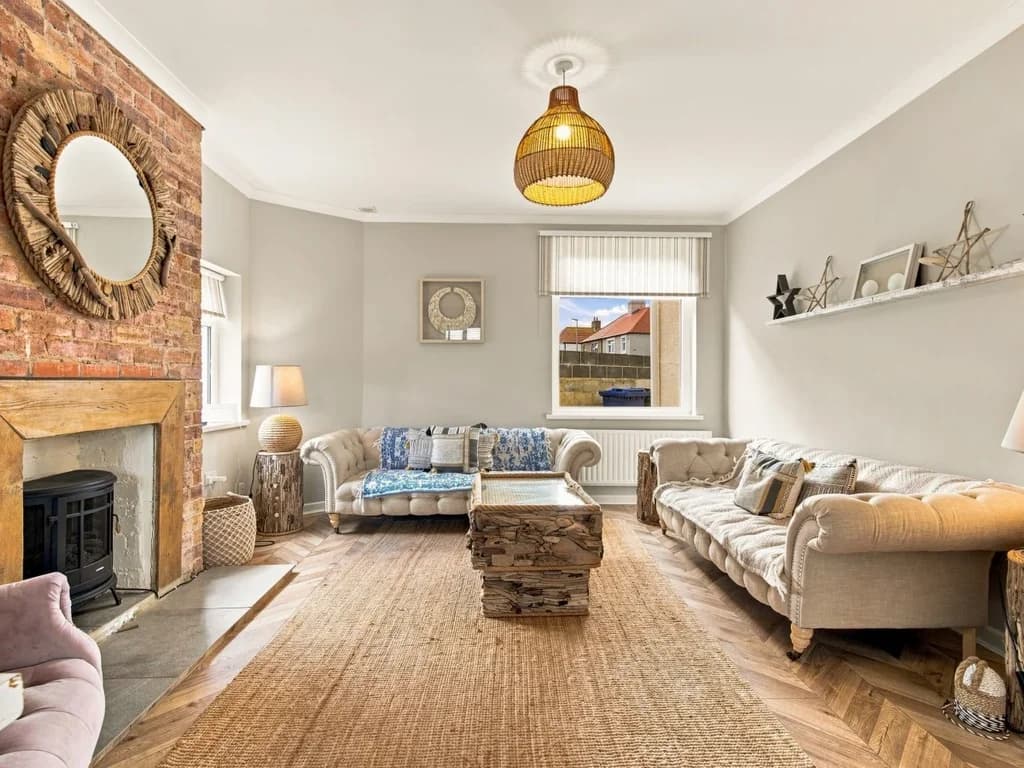
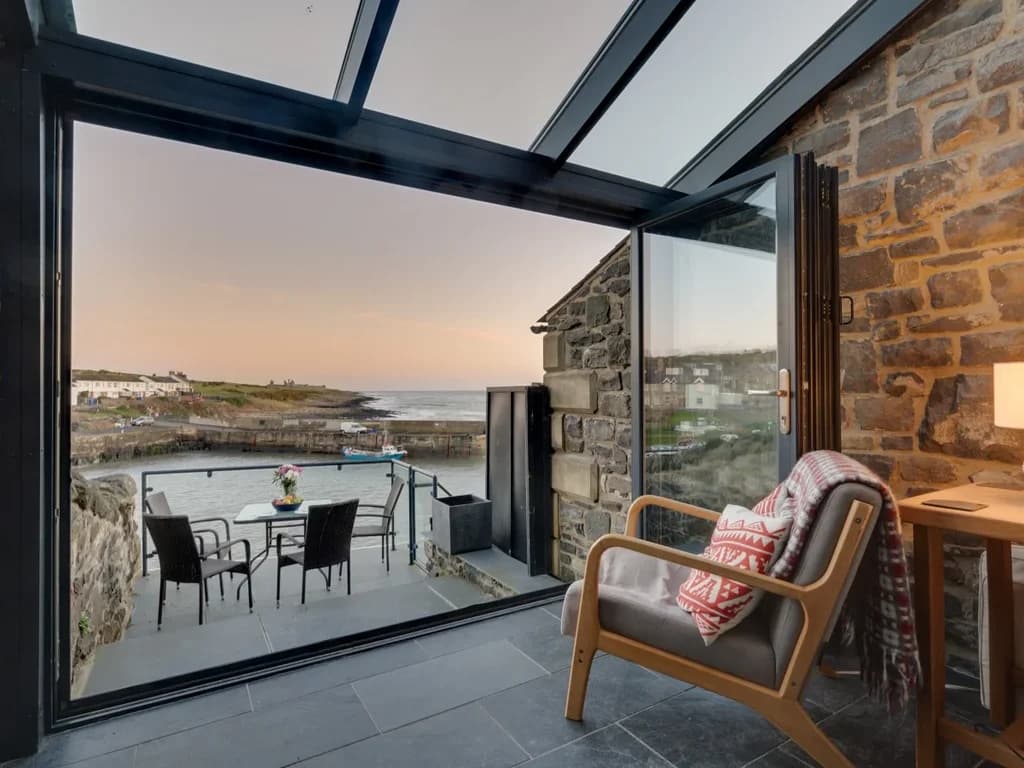
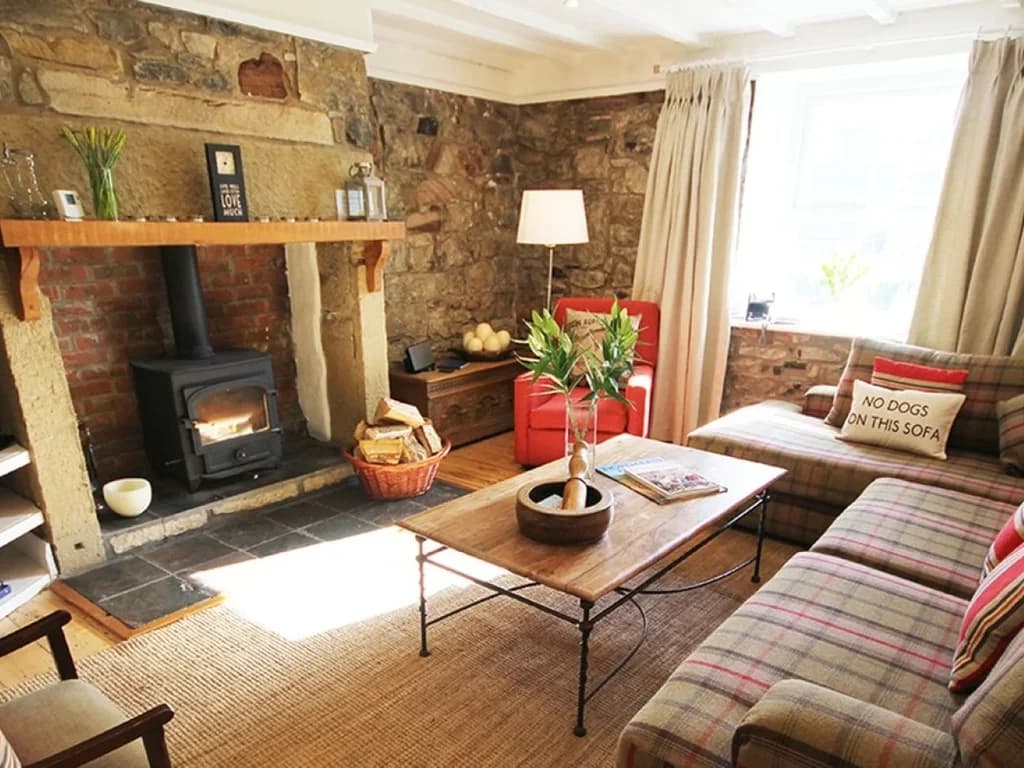
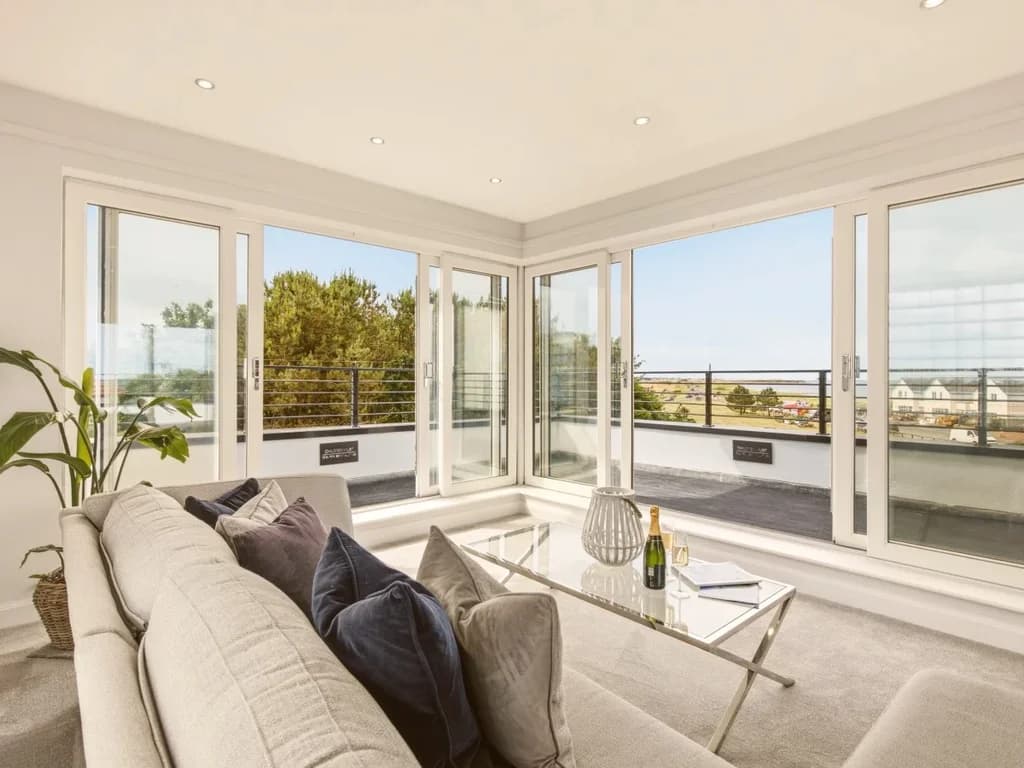
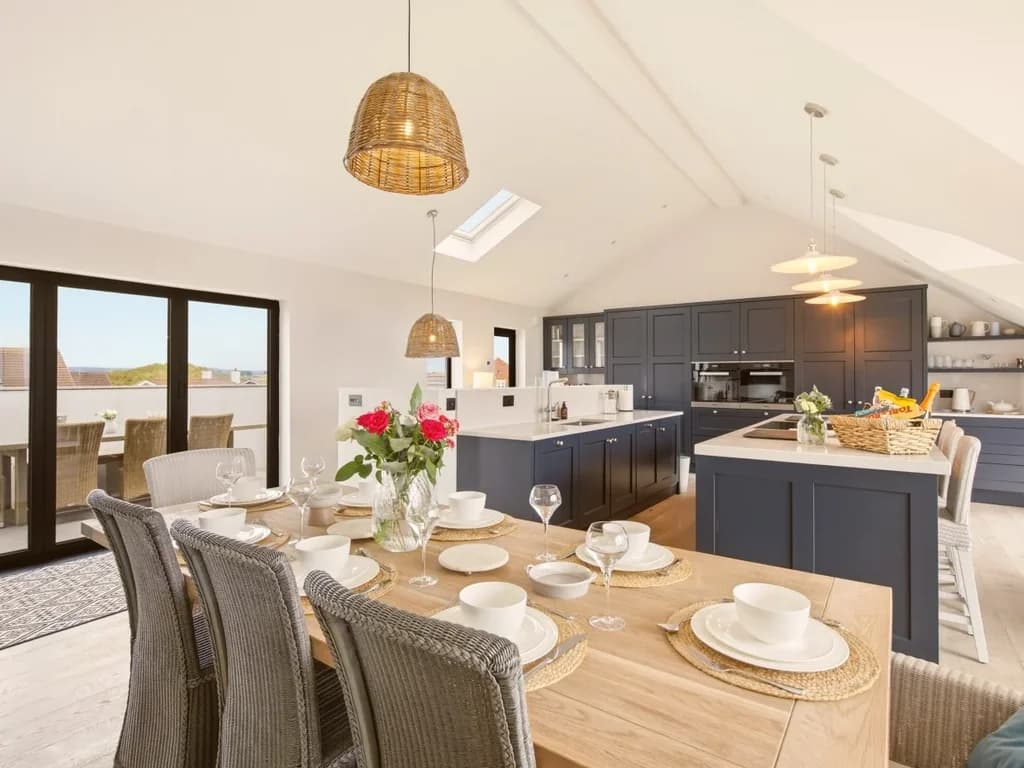
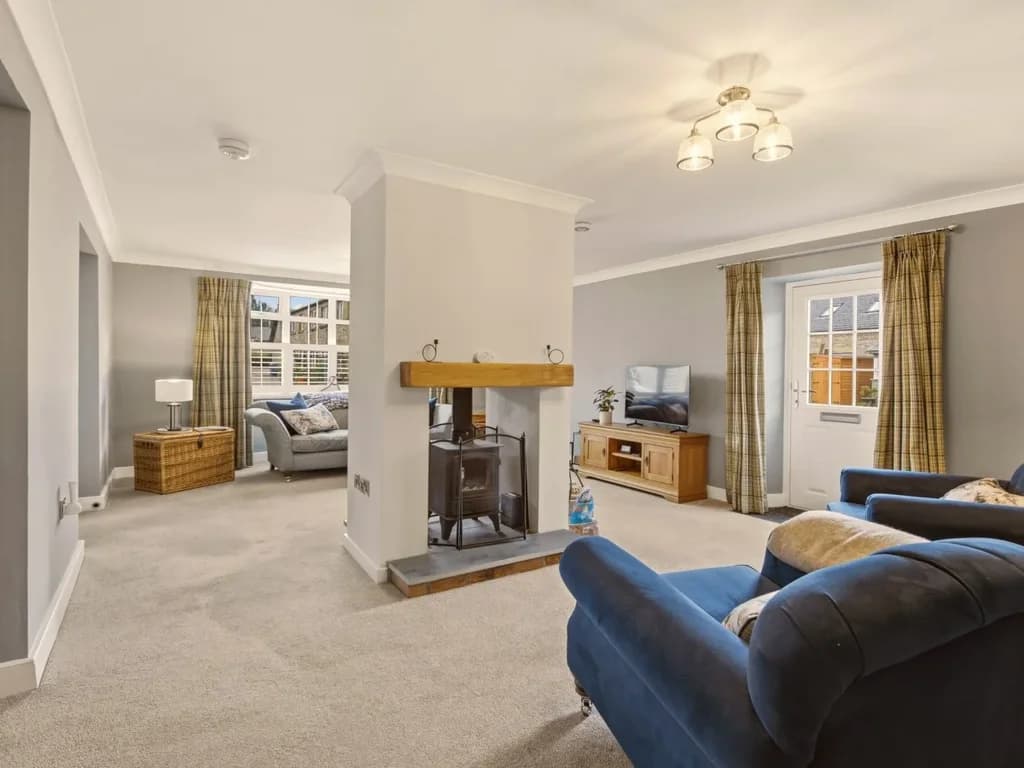
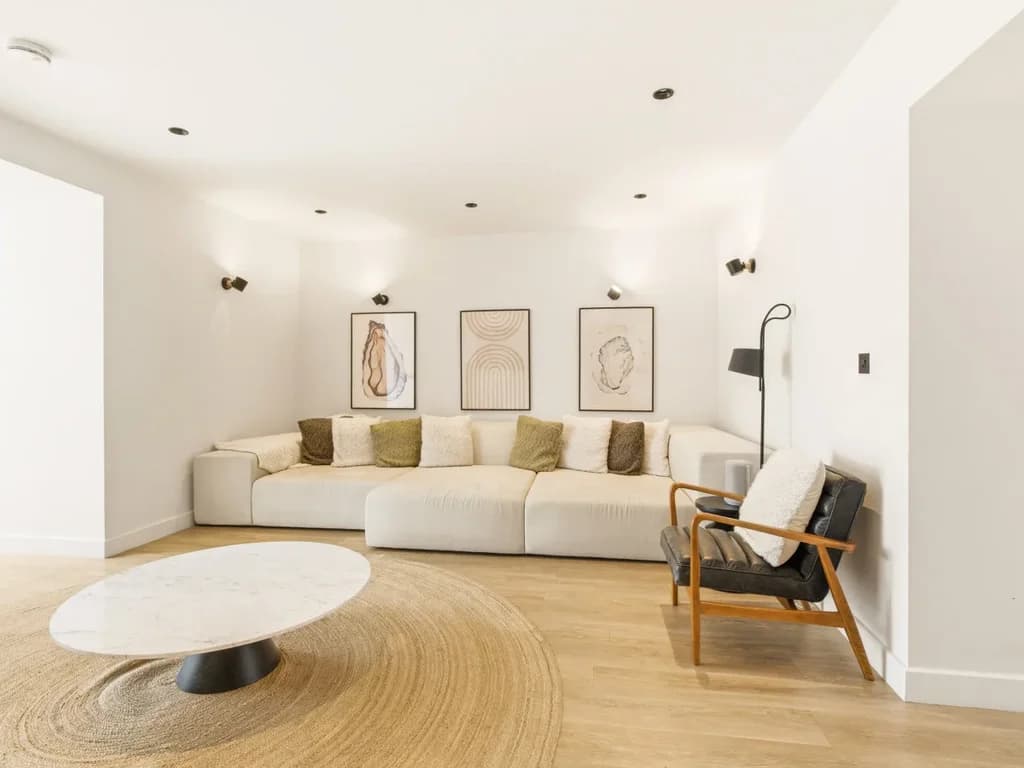
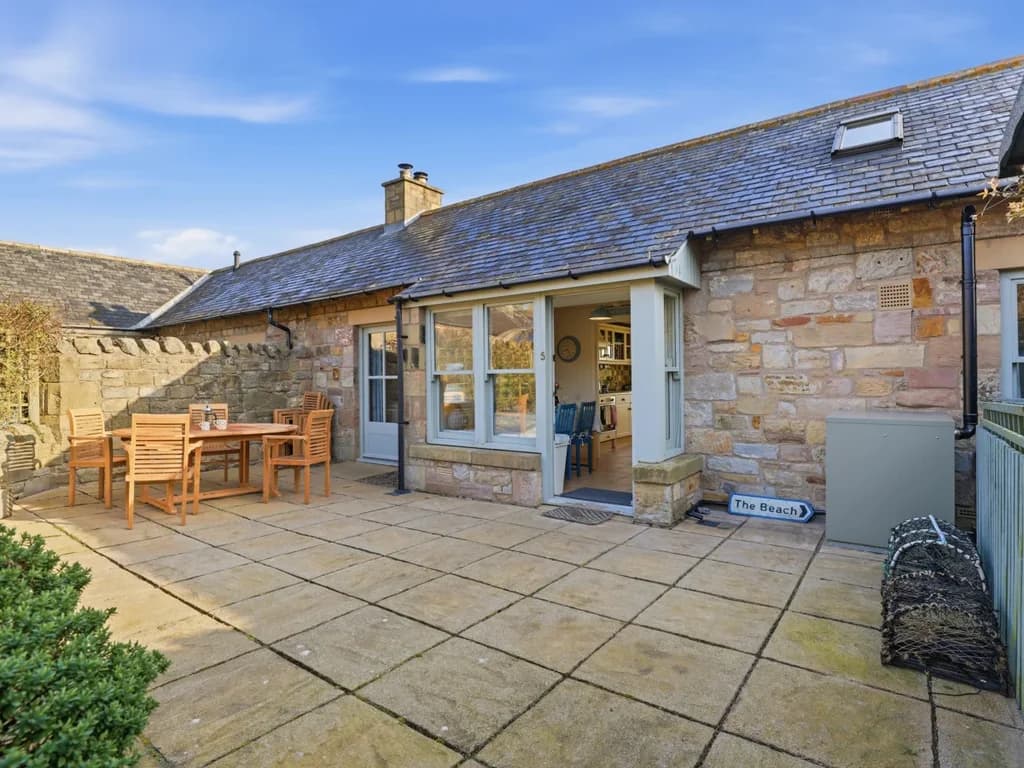
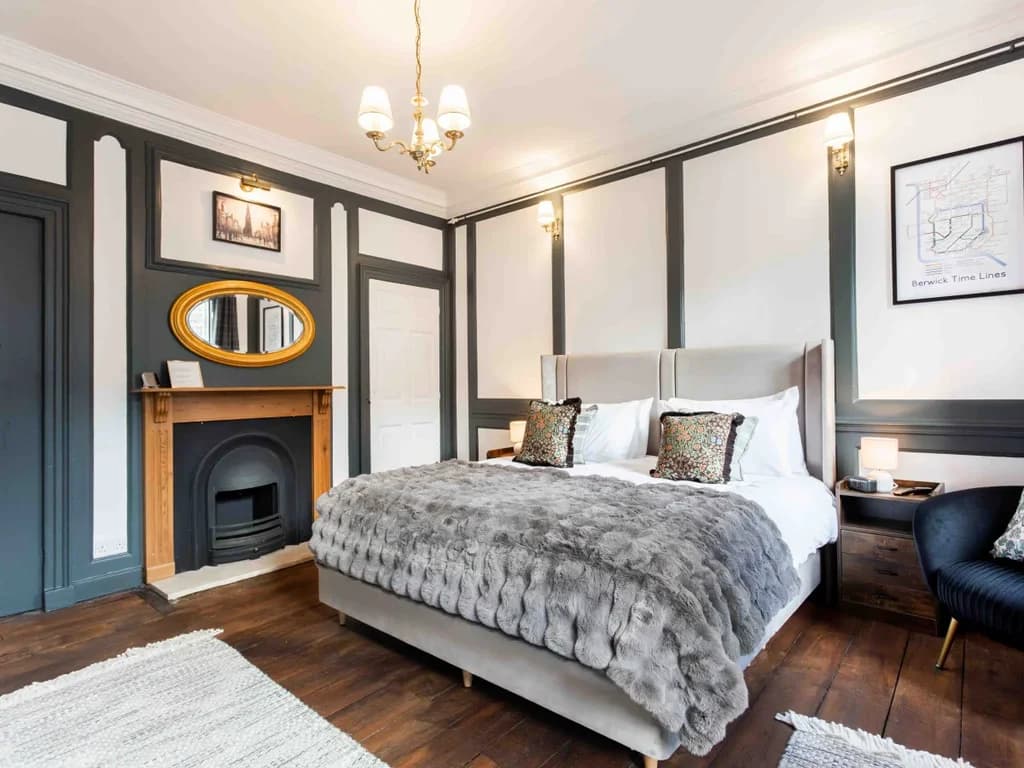
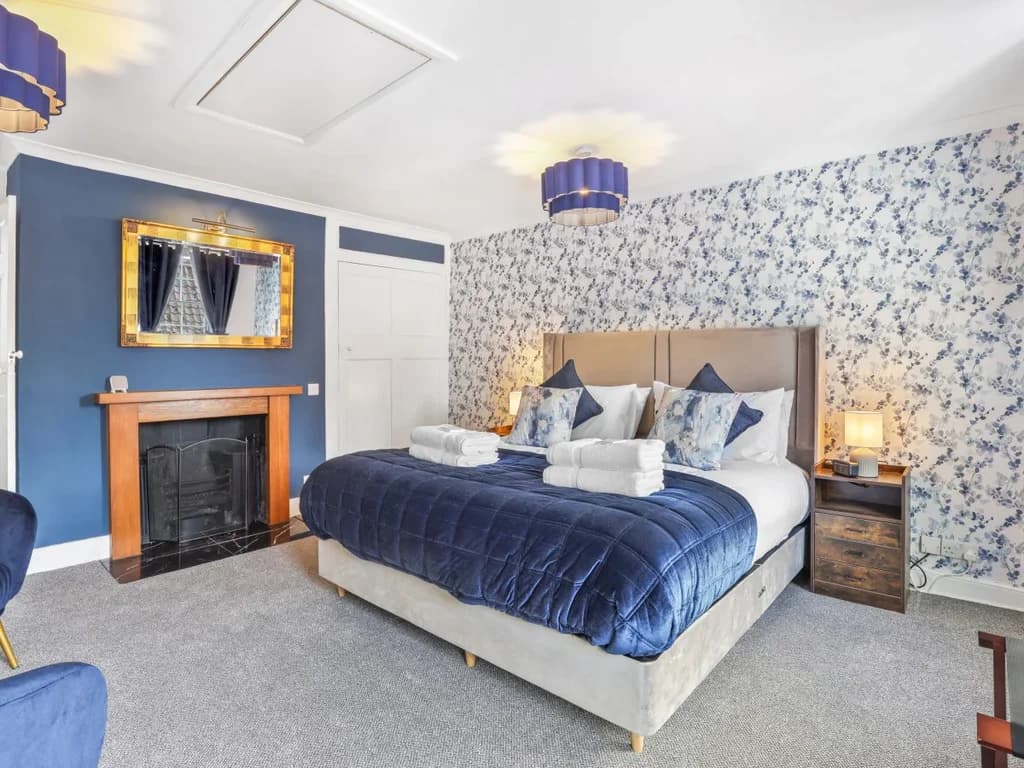
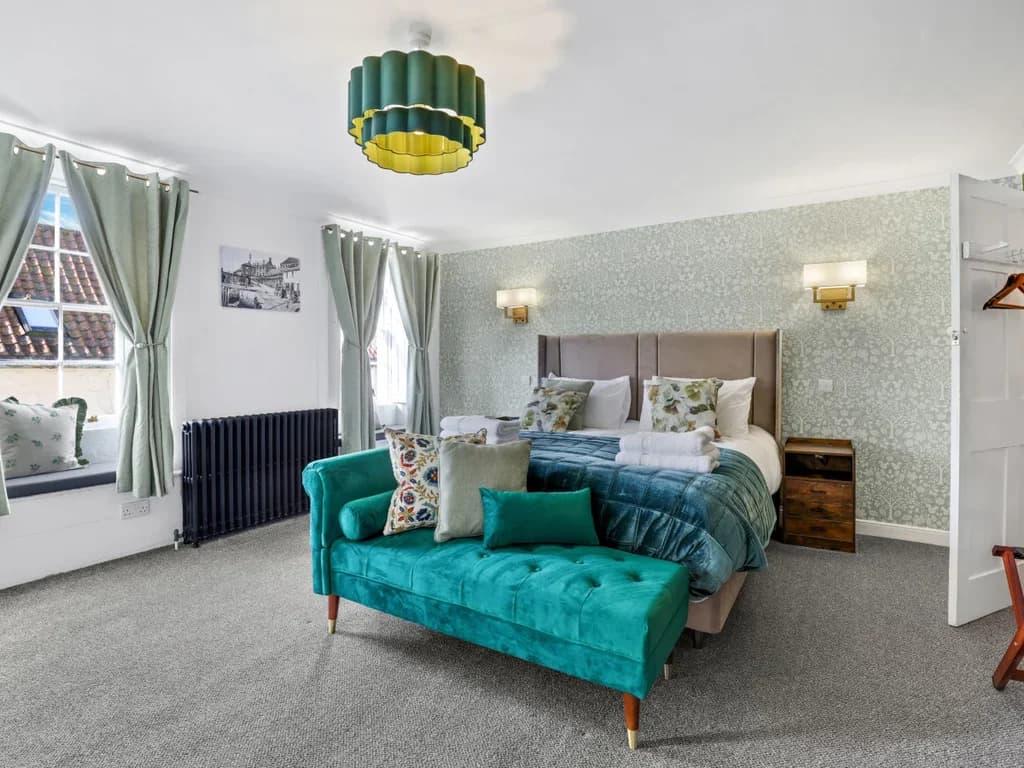
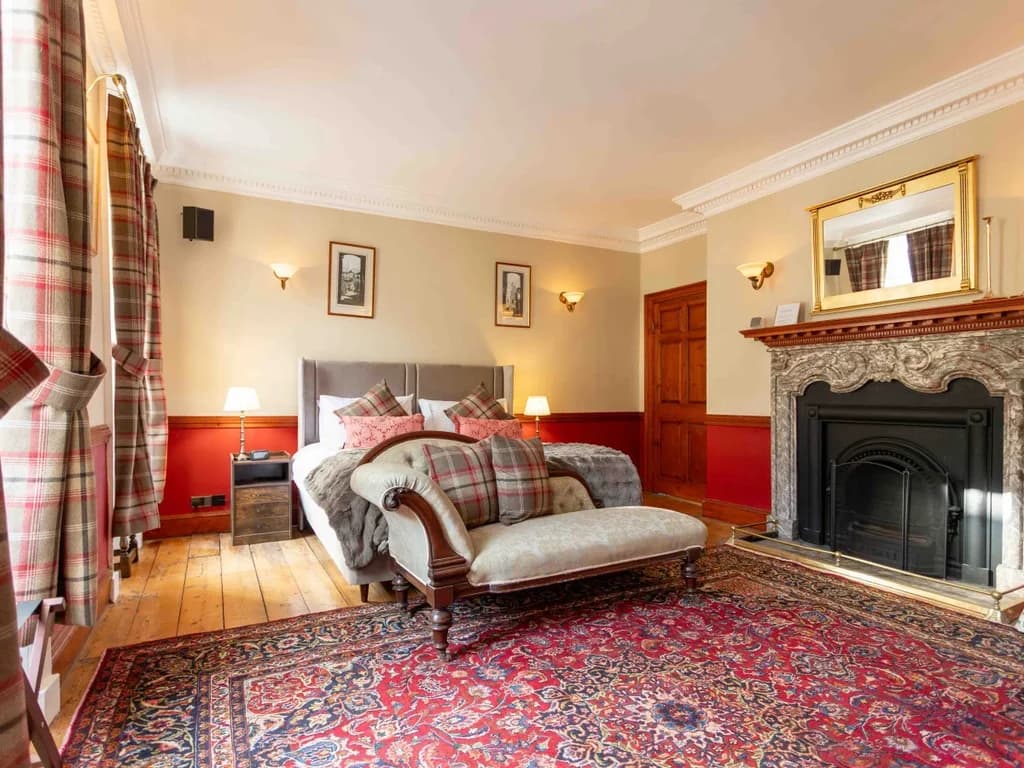
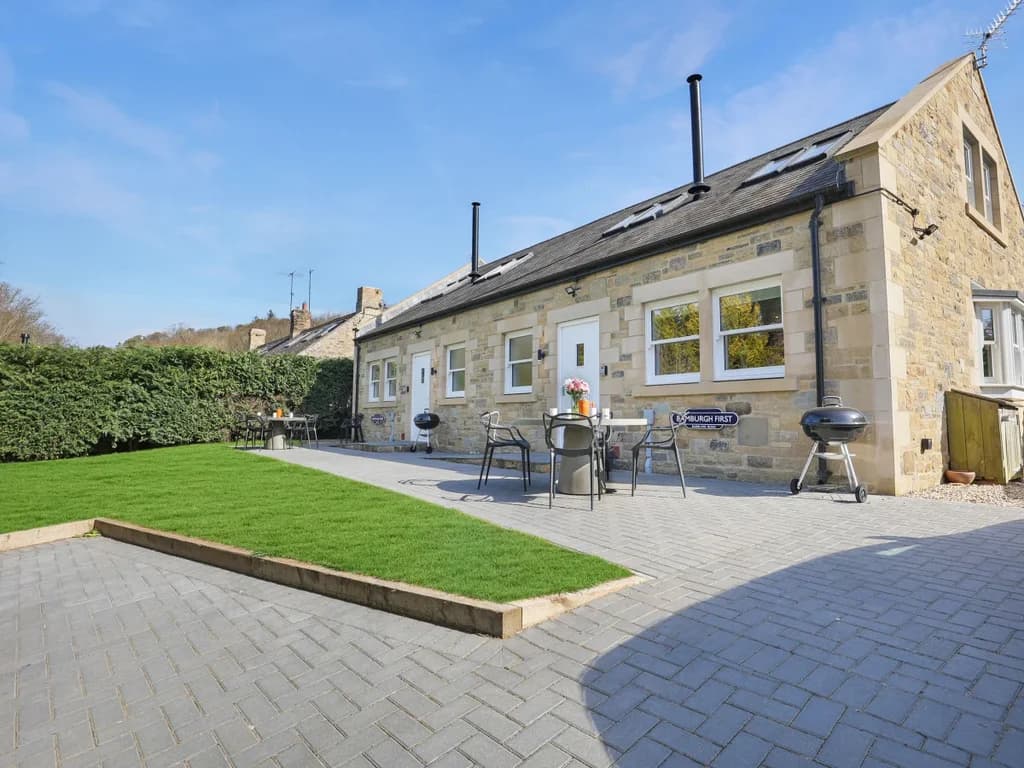
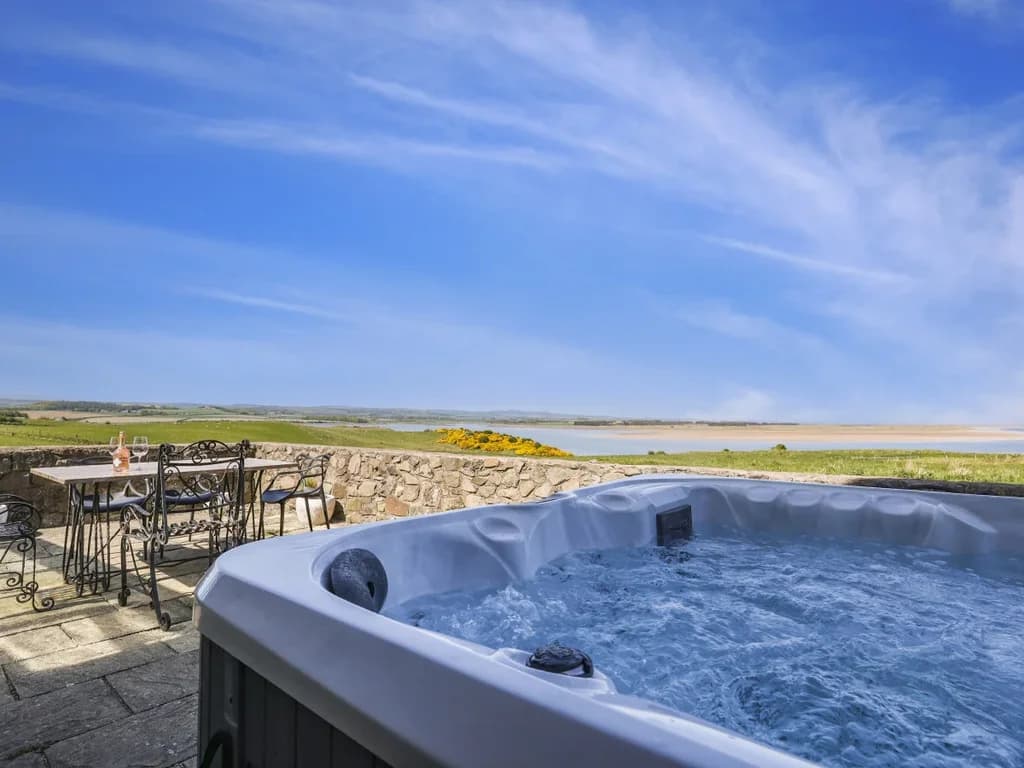
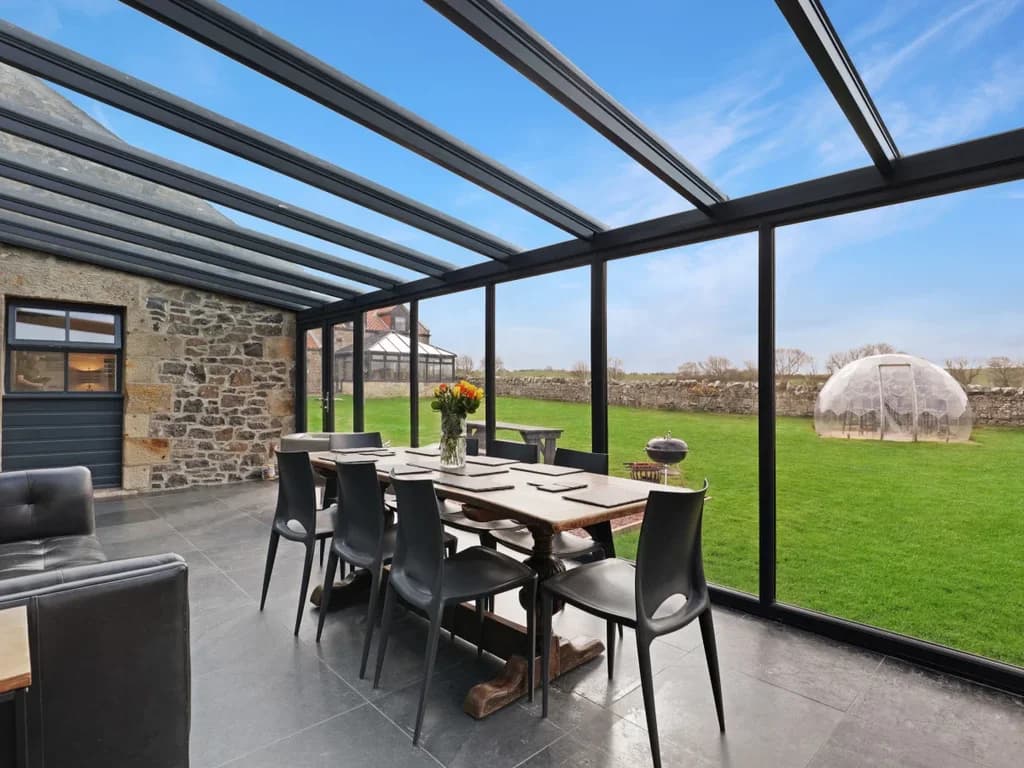
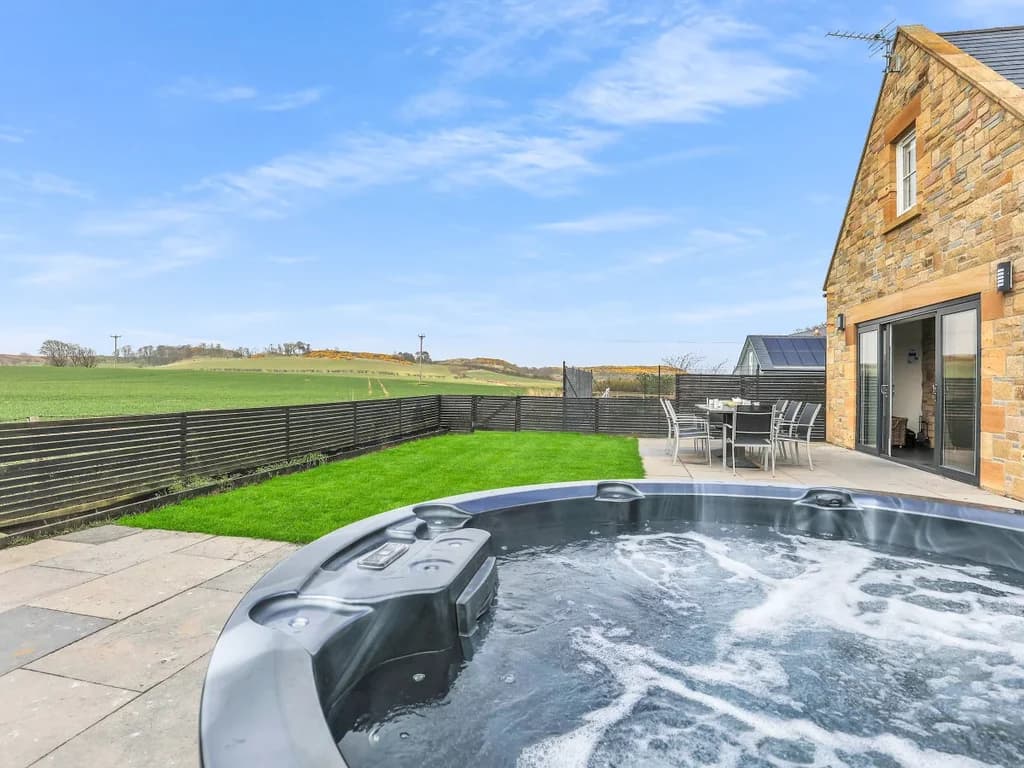
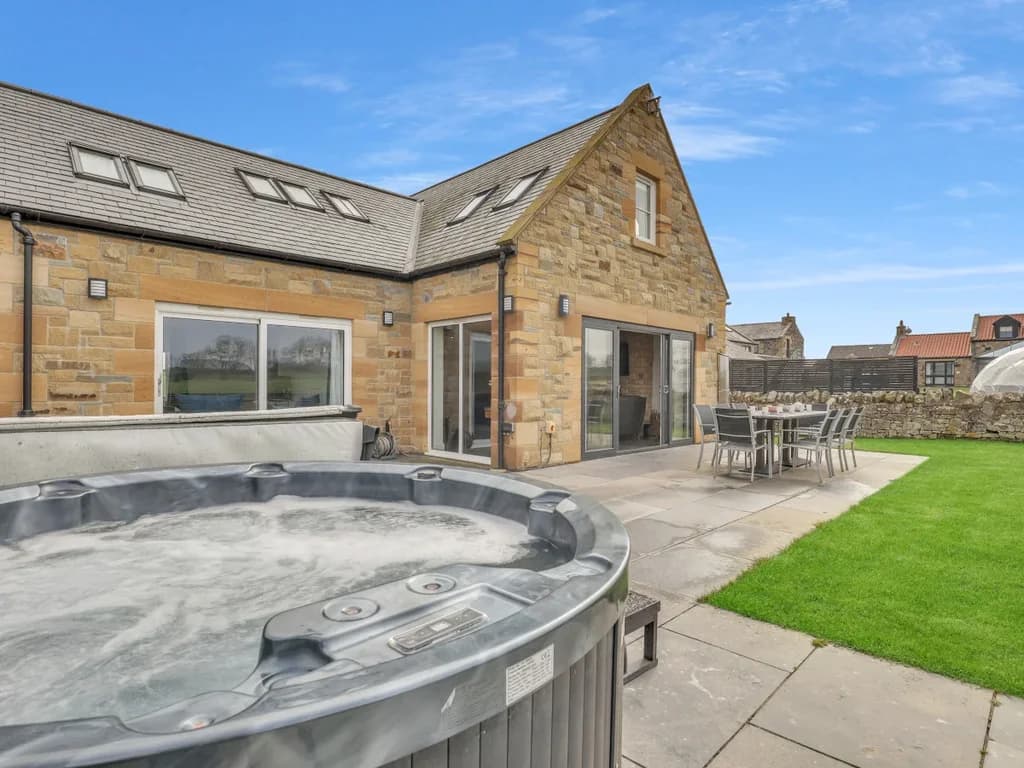
North East Escapes has a selection of holiday homes near Lindisfarne and the north Northumberland coast, ideal for visitors wanting to experience the full magic of Holy Island without the rush of a day trip. Staying nearby allows you to visit the island at quieter times, enjoying the extraordinary atmosphere once the day visitors have departed, and to time your crossings to explore the island at leisure. Our coastal Northumberland properties near Holy Island are among the most romantically situated in our collection, combining the island's unique historical resonance with the spectacular natural beauty of this unspoilt coastline.