Holy Island
Plan your visit to Holy Island with North East Escapes. Cross the tidal causeway to Lindisfarne and find nearby north Northumberland Coast holiday homes. |
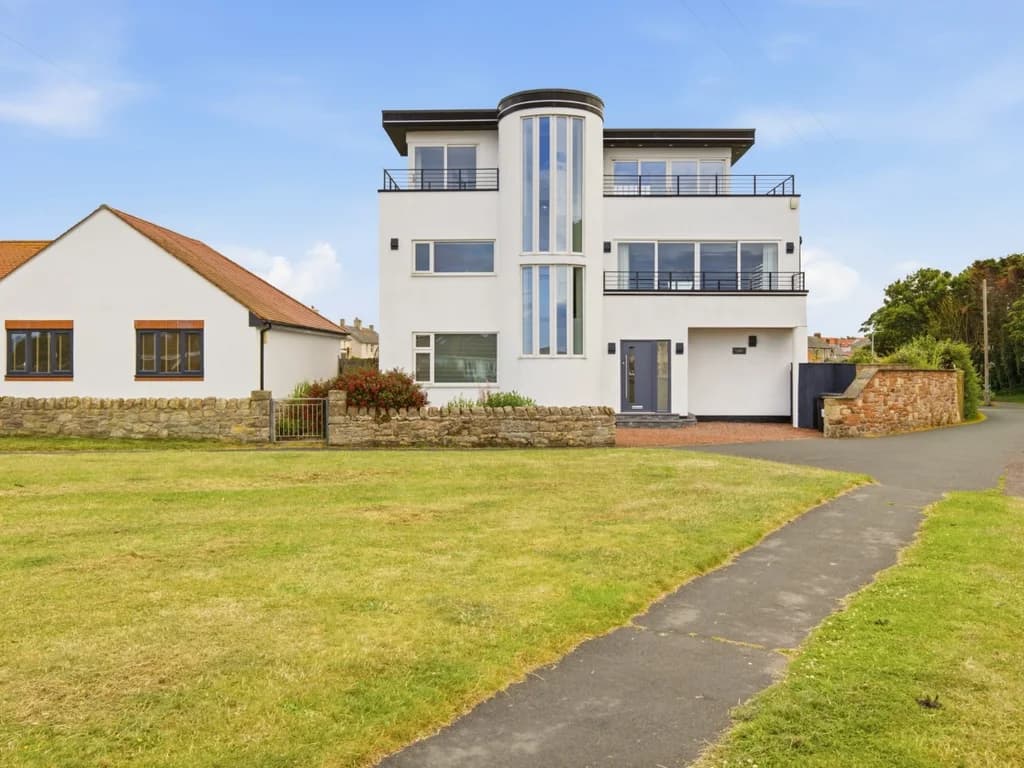
Plan your visit to Holy Island with North East Escapes. Cross the tidal causeway to Lindisfarne and find nearby north Northumberland Coast holiday homes. |
Visit Holy Island, Northumberland's Sacred Tidal Island
Holy Island, formally known as Lindisfarne, is one of the most extraordinary places to visit in Britain: a small tidal island community off the Northumberland coast with a history reaching back to the very origins of Christianity in northern England, yet still a living village with its own pubs, shops, mead distillery and year-round population. The island's combination of profound historical and spiritual significance, outstanding wildlife and birdwatching, beautiful beaches and the drama of the tidal crossing makes it quite unlike anywhere else in England, and for many visitors it becomes the most memorable part of any North East holiday.
The island's recorded history begins in 635 AD when Saint Aidan came from the monastery of Iona to found a new Christian community at the invitation of King Oswald of Northumbria. Under Aidan and his successors, and most famously under Saint Cuthbert who became prior and then bishop before choosing to end his days as a hermit on the nearby Farne Islands, Lindisfarne became a centre of scholarship and artistic achievement that produced the Lindisfarne Gospels, one of the greatest works of art from medieval Europe. Viking raids beginning in 793 AD, the earliest recorded raid on a British monastery, eventually dispersed the community, but a new Benedictine priory was founded in the eleventh century and flourished until the Reformation. The village of Holy Island today maintains much of the character and community life of a small Northumberland coastal settlement.
The Priory ruins are the island's principal historic monument, the remains of the eleventh-century Benedictine church with its famous rainbow arch still standing dramatically against the sky, managed by English Heritage with an adjacent museum of pre-Conquest stonework. Lindisfarne Castle on its volcanic rock outcrop is managed by the National Trust and open on selected days. The village itself rewards leisurely exploration, with the mead and gin distillery offering tastings, the local pub and several cafés providing sustenance, and the beaches on the north and west of the island offering remote and beautiful walking. The island's nature reserve is outstanding for migratory birds and wildfowl throughout the year.
Holy Island is accessible via the tidal causeway from the A1 near Beal, Northumberland, TD15 2SH. Safe crossing times change daily and must be checked on the Northumberland County Council website before every visit. The causeway floods twice daily and should never be attempted outside safe crossing windows. There is a substantial car park on the landward side. The island's village has limited parking and is best explored on foot once the causeway is crossed. Winter visits are particularly rewarding for birdwatching and for experiencing the island without summer crowds.
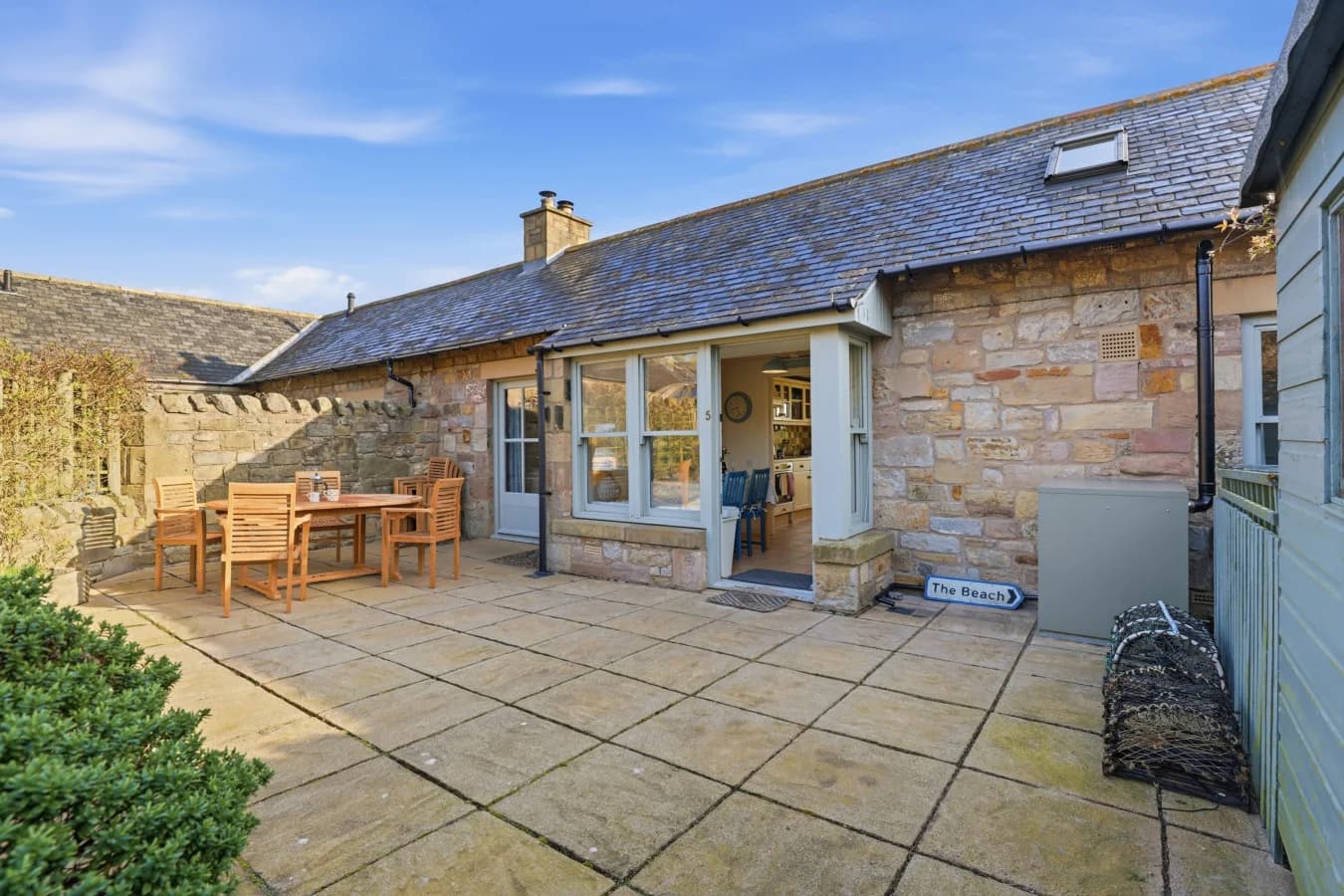
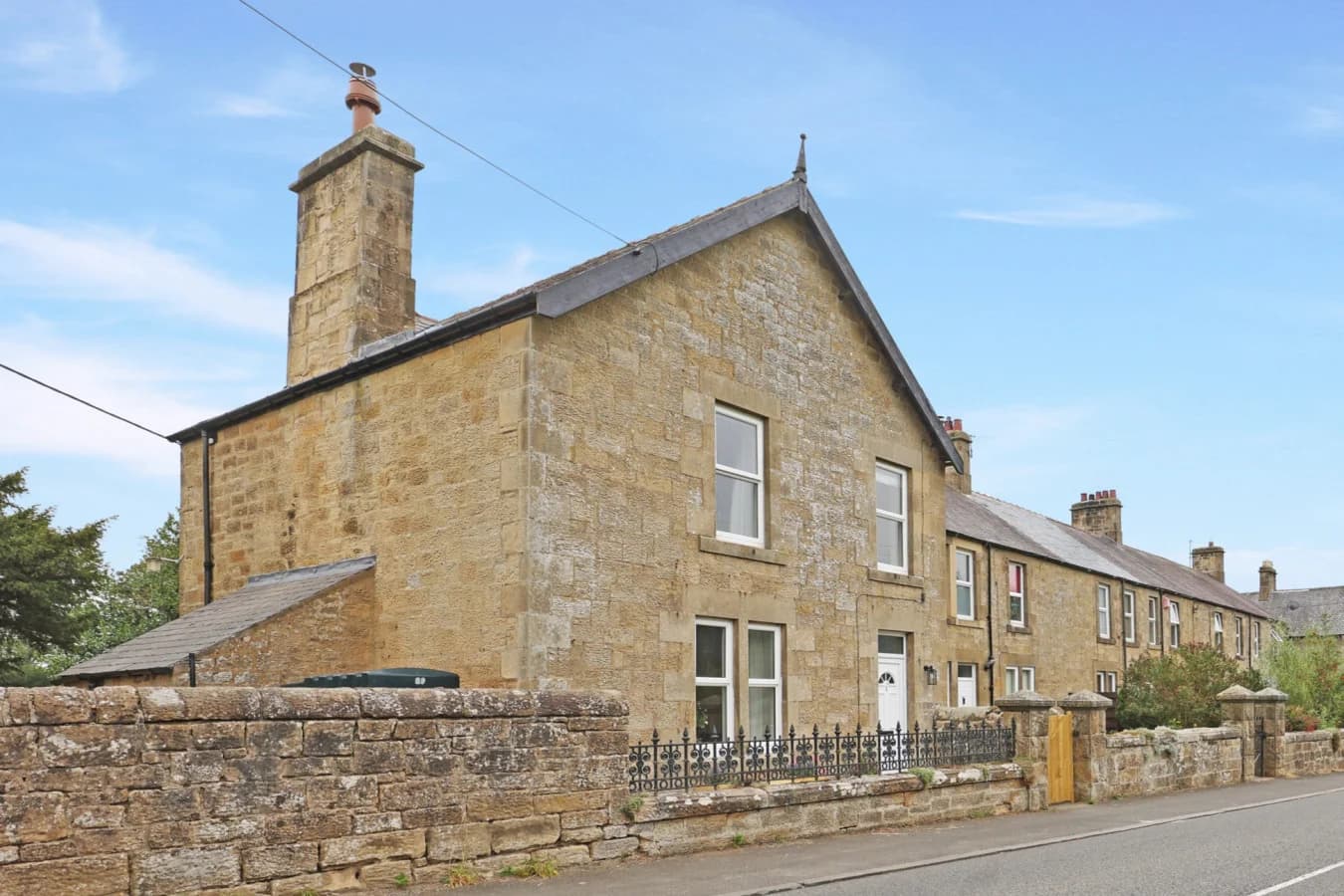
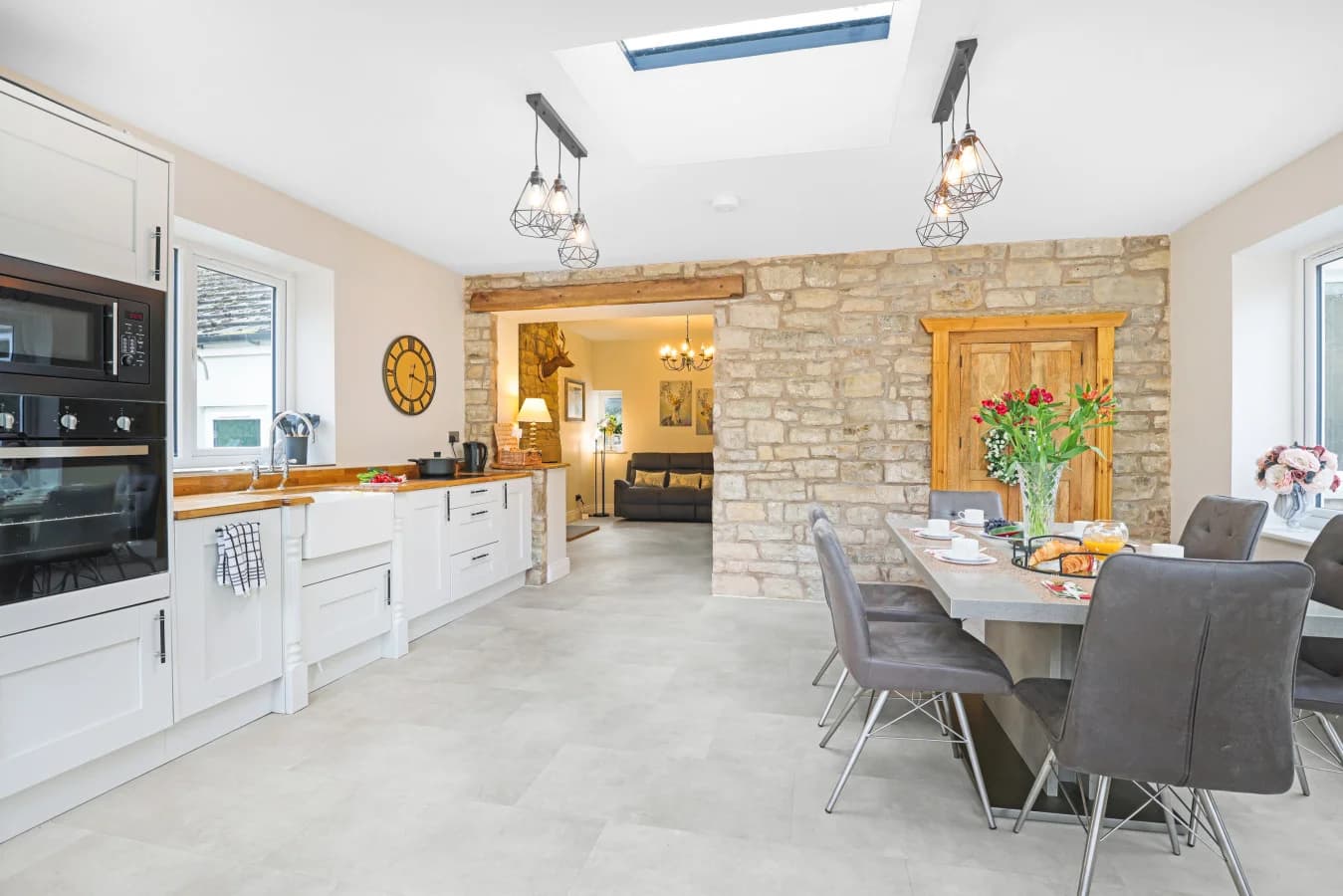
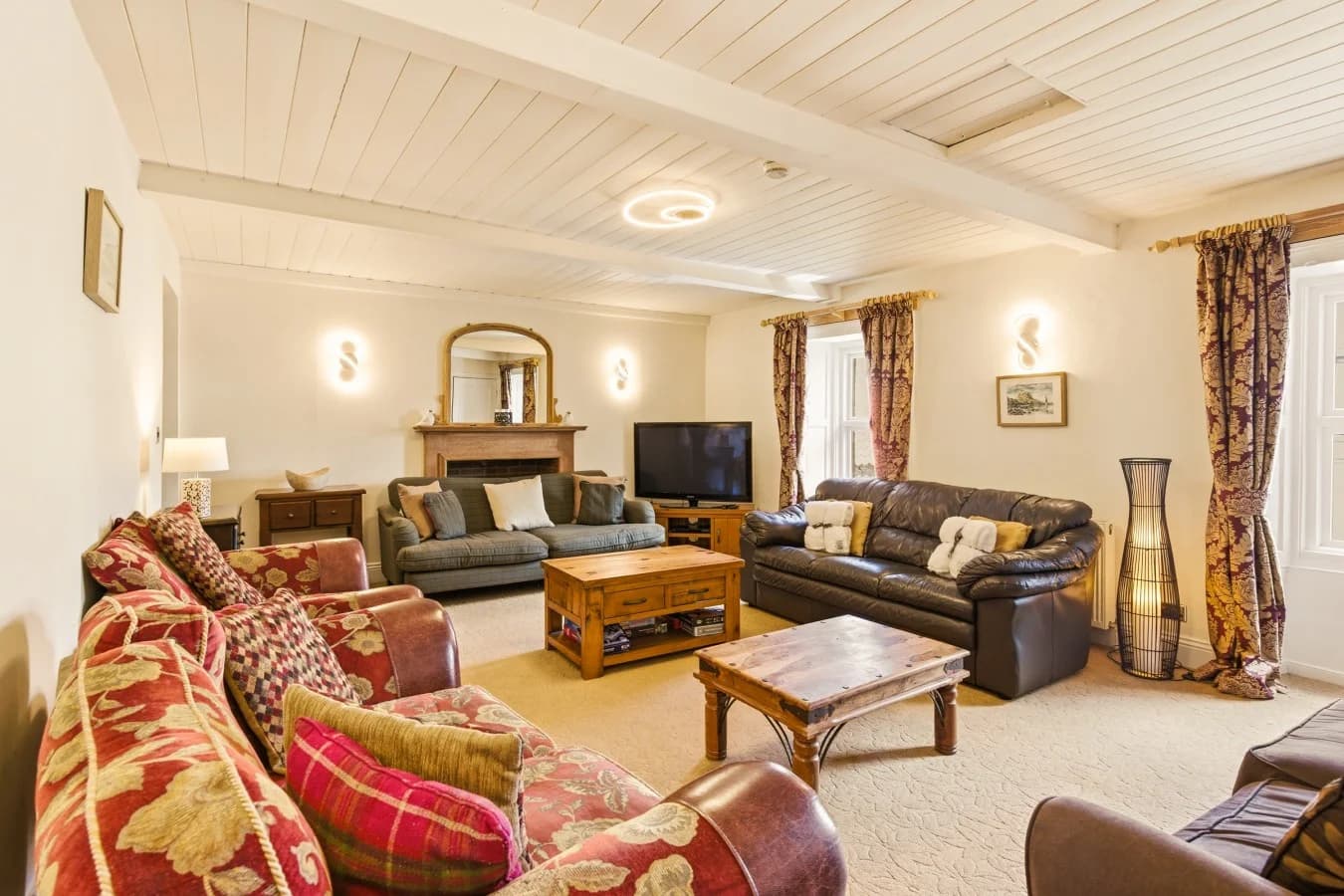
North East Escapes offers holiday homes near Holy Island along the north Northumberland coast, perfect for visitors wanting to experience the tidal island without the pressure of a day trip. Staying nearby allows you to visit at dawn or dusk, when the light and atmosphere are at their most magical and the day visitors have departed. Our north Northumberland holiday homes are among our most loved, combining the history and spirituality of Holy Island with the spectacular coastline, Bamburgh Castle and the Farne Islands wildlife experience in one extraordinary stretch of coast.